Jaipur
08048035189
+919907734330

Services

Fracture & Trauma Care

🦴 FRACTURE & TRAUMA CARE Expert Bone & Trauma Treatment by Dr. Ashwini Kumar Khicher – Leading Orthopedic Surgeon in Jaipur 🩺 What is Fracture & Trauma Care? Fractures and trauma refer to any injury where a bone is broken or damaged, either due to high-impact accidents, falls, sports injuries, or medical conditions like osteoporosis. Dr. Ashwini Kumar Khicher provides comprehensive fracture and trauma care, offering both surgical and non-surgical solutions for effective bone healing and recovery. His expertise covers all aspects of fracture treatment — from complex bone fractures in adults to pediatric fracture care for growing children. ⚠️ Complex Fracture Management Complex fractures are those that involve multiple breaks in a bone, fractures of joints, or fractures where the bone has pierced the skin (open fractures). These require specialized care to restore bone alignment, stabilize the bone, and promote proper healing. Dr. Khicher uses advanced surgical techniques to treat: Open fractures where the bone breaks through the skin Comminuted fractures (bone shattered into multiple pieces) Joint fractures (e.g., elbow, knee, wrist) Fractures with nerve or blood vessel damage Fractures that fail to heal or become non-union Treatment Options for Complex Fractures: Non-Surgical Treatment: Cast immobilization, splints, and braces for stable fractures Surgical Treatment: Internal fixation (plates, screws, rods) or external fixation to stabilize the bone Minimally invasive procedures to reduce recovery time and tissue damage Bone grafting or bone stimulation for non-union fractures ⚠️ Pediatric Fracture Care Children’s bones are still developing, and fractures in young patients require specialized care to ensure proper healing and prevent future growth issues. Pediatric fractures often heal faster than adult fractures, but careful management is essential to avoid growth disturbances. Dr. Khicher offers tailored care for pediatric patients, addressing: Common fractures: Clavicle, forearm, and femur fractures Growth plate injuries: Fractures that involve the areas where bone growth occurs Dislocations and fractures from sports injuries Fractures requiring non-surgical management or delicate surgical intervention Pediatric Fracture Treatment Includes: Gentle and accurate alignment (reduction) of fractured bones Custom casts, splints, and braces designed for children’s comfort Surgical fixation for complicated fractures, with minimal scarring and tissue damage Post-fracture rehabilitation to restore strength and mobility while promoting proper bone growth 🏥 What to Expect: Before, During & After Treatment ✅ Preoperative Evaluation Clinical examination, imaging (X-ray, MRI) Detailed treatment planning, including surgical or conservative options Patient and family counseling to explain the treatment approach 🩻 During Treatment Non-Surgical Management: Application of cast, splint, or brace Surgical Procedures: Performed under anesthesia, using modern techniques for fracture reduction, stabilization, and fixation 🚶 Recovery & Rehabilitation Postoperative care includes pain management, infection prevention, and healing monitoring Gradual rehabilitation with physiotherapy to restore movement, strength, and function For complex fractures, recovery may take 6–12 months, while pediatric fractures generally heal in 4–6 weeks 💡 Why Choose Dr. Ashwini Kumar Khicher for Fracture and Trauma Care? ✅ Specialized care for both complex adult fractures and pediatric fractures ✅ Cutting-edge treatment options with an emphasis on minimal scarring and faster recovery ✅ Comprehensive follow-up and rehabilitation programs ✅ Use of advanced imaging and minimally invasive surgery for optimal results ✅ Compassionate care for children and adults, ensuring a smooth recovery process 🧾 Frequently Asked Questions (FAQ) Q1. How long does it take to recover from a complex fracture? Recovery times vary, but complex fractures often take 6-12 months depending on the location and severity of the injury. Q2. Do pediatric fractures heal faster than adult fractures? Yes, children’s bones heal faster, but growth plate injuries require careful attention to avoid long-term issues. Q3. Will my child need surgery for a fracture? Not necessarily. Most pediatric fractures heal with cast immobilization or bracing, but surgical treatment may be necessary for more complicated injuries. Q4. What happens if a fracture doesn’t heal properly? If a fracture doesn’t heal properly (non-union or delayed union), Dr. Khicher may recommend surgical intervention like bone grafting or bone stimulation to aid the healing process. 📍 Consult Dr. Ashwini Kumar Khicher for Expert Fracture & Trauma Care 🧑‍⚕️ Amar Jain Hospital – Vaishali Nagar, Jaipur 📞 +91 99077 34330 🌐 arthroalign.com 📧 dr_ashu84@rediffmail.com Get the best fracture care and a customized treatment plan that ensures optimal healing and recovery. Book your consultation with Dr. Ashwini Kumar Khicher today!

Tendon and Ligament Injuries Treatment

🦵 TENDON & LIGAMENT INJURY TREATMENT Advanced Sports Injury Care by Dr. Ashwini Kumar Khicher – Trusted Orthopedic Surgeon in Jaipur 🩺 What Are Tendon and Ligament Injuries? Tendons connect muscles to bones, while ligaments connect bones to other bones, providing stability and support to your joints. Injuries to these soft tissues are common in athletes and active individuals, often resulting from sudden trauma, overuse, or awkward movements. Dr. Ashwini Kumar Khicher specializes in the diagnosis and treatment of tendon and ligament injuries, helping patients recover quickly and return to their normal or athletic lifestyle with confidence. ⚠️ Common Tendon and Ligament Injuries Treated Ankle Sprains & Instability Knee Ligament Injuries (ACL, PCL, MCL, LCL) Shoulder Ligament Injuries (Labrum, rotator cuff tendons) Achilles Tendon Tears or Tendinitis Tennis Elbow / Golfer’s Elbow Patellar Tendonitis (Jumper’s Knee) Hamstring or Quadriceps Tendon Strain Wrist or Thumb Ligament Injuries (Skier’s Thumb) 🛠️ Diagnosis & Evaluation Dr. Khicher uses a combination of: Detailed clinical examination X-rays, ultrasound, or MRI to assess the extent of injury Functional assessment to evaluate joint stability and muscle strength 🩻 Treatment Options Offered ✅ Non-Surgical Treatments Rest, Ice, Compression, Elevation (RICE) Activity modification & bracing Physiotherapy and rehabilitation exercises Anti-inflammatory medications PRP (Platelet-Rich Plasma) injections to promote healing (if suitable) ✅ Surgical Treatments (for severe or non-healing injuries) Ligament reconstruction (e.g., ACL reconstruction) Tendon repair (e.g., rotator cuff, Achilles tendon) Arthroscopic surgery for minimal invasion and faster recovery Open repair techniques when needed for complete ruptures 🏥 What to Expect During Recovery Mild injuries: Recover within a few weeks with rest and rehab Moderate to severe injuries: May need surgery and structured physiotherapy Post-op care includes pain control, joint protection, and personalized physiotherapy Full return to sports varies from 2–9 months based on injury type and treatment 💡 Why Choose Dr. Ashwini Kumar Khicher? ✅ Sports injury specialist with extensive surgical experience ✅ Focus on joint preservation and long-term function ✅ Minimally invasive options available ✅ Patient-specific rehabilitation and follow-up plans ✅ Trusted care at leading orthopedic facilities in Jaipur 🧾 Frequently Asked Questions (FAQ) Q1. When should I see a doctor for a ligament or tendon injury? If pain, swelling, or instability persists for more than a few days, or if you feel a popping sensation or loss of strength, you should consult a specialist. Q2. Can these injuries heal without surgery? Yes, many minor to moderate injuries can heal with rest, physiotherapy, and conservative treatment. Surgery is reserved for complete tears or when non-surgical treatment fails. Q3. How long will recovery take? Recovery depends on the severity and treatment. Minor sprains may heal in 2–6 weeks, while surgical cases may take 4–9 months for full recovery. Q4. Will I be able to return to sports? Absolutely. With the right treatment and rehab, most patients return to their previous level of sports and physical activity. 📍 Book Your Appointment with Dr. Ashwini Kumar Khicher 🧑‍⚕️ Amar Jain Hospital – Vaishali Nagar, Jaipur 📞 +91 99077 34330 🌐 arthroalign.com 📧 dr_ashu84@rediffmail.com Don’t let a tendon or ligament injury hold you back. Get the expert care you need to recover faster and move better.

Meniscal Repair

🦵 MENISCAL REPAIR SURGERY Expert Knee Cartilage Repair by Dr. Ashwini Kumar Khicher – Top Orthopedic Surgeon in Jaipur 🩺 What is Meniscal Repair? The meniscus is a C-shaped cartilage in the knee that acts as a shock absorber and stabilizer between the thigh bone (femur) and shin bone (tibia). Tears to the meniscus are common knee injuries caused by twisting movements, trauma, or degeneration. Meniscal repair surgery is a minimally invasive procedure aimed at stitching and healing the torn meniscus, preserving the natural knee cartilage and preventing further joint damage. ⚠️ When is Meniscal Repair Needed? Dr. Khicher may recommend meniscal repair if you have: A torn meniscus confirmed by MRI Knee pain, swelling, or locking sensation Reduced knee stability or range of motion Symptoms persisting despite conservative treatment like rest and physiotherapy Desire to maintain knee function and avoid early arthritis 🛠️ How is Meniscal Repair Performed? Conducted using arthroscopic surgery through small incisions around the knee An arthroscope (tiny camera) provides a clear view of the tear Specialized instruments repair the tear using sutures or anchors Surgery takes about 30–60 minutes under spinal or general anesthesia 🏥 What to Expect: Before, During & After Surgery ✅ Preoperative Evaluation Clinical examination and imaging (MRI) to assess tear type and location Blood tests and anesthetic checkup Discussion of surgical procedure, risks, and rehabilitation 🩻 During Surgery Minimally invasive approach causes less tissue damage and faster recovery Precise repair to preserve meniscus integrity and knee biomechanics 🚶 Recovery & Rehabilitation Partial weight-bearing with crutches for 4–6 weeks to protect repair Physiotherapy to restore knee strength and mobility starts early Full recovery and return to sports or active lifestyle typically within 3–6 months 💡 Benefits of Meniscal Repair with Dr. Khicher ✅ Preservation of natural knee cartilage to prevent arthritis ✅ Minimally invasive with smaller scars and less pain ✅ Faster recovery compared to meniscectomy (removal) ✅ Personalized rehabilitation programs for best outcomes ✅ Advanced arthroscopic techniques and expert surgical care 🧾 Frequently Asked Questions (FAQ) Q1. Can all meniscal tears be repaired? Not all tears are repairable; Dr. Khicher will evaluate based on tear location, type, and patient factors. Q2. How long will I need to use crutches? Crutches are usually needed for 4–6 weeks to protect the healing meniscus. Q3. When can I resume sports or heavy activities? Most patients return to full activity in 3–6 months, depending on healing and rehab progress. Q4. What are the risks of meniscal repair? Risks are low but include infection, stiffness, or incomplete healing, which are managed with close follow-up. 📍 Book Your Consultation for Meniscal Repair with Dr. Ashwini Kumar Khicher 🧑‍⚕️ Amar Jain Hospital – Vaishali Nagar, Jaipur 📞 +91 99077 34330 🌐 arthroalign.com 📧 dr_ashu84@rediffmail.com Restore your knee health and mobility with expert meniscal repair surgery. Contact us today for a personalized treatment plan!

ACL & PCL Reconstruction Surgery

ACL & PCL RECONSTRUCTION SURGERY Expert Knee Ligament Repair by Dr. Ashwini Kumar Khicher – Leading Orthopedic Surgeon in Jaipur 🩺 What is ACL & PCL Reconstruction? The Anterior Cruciate Ligament (ACL) and Posterior Cruciate Ligament (PCL) are critical ligaments inside the knee that provide stability during movement. Injuries or tears to these ligaments commonly occur due to sports, accidents, or trauma, resulting in pain, swelling, and knee instability. ACL/PCL reconstruction surgery involves replacing the torn ligament with a graft (usually from your own tendon or a donor), restoring knee stability, function, and allowing a return to active lifestyle. ⚠️ When is ACL/PCL Reconstruction Needed? Dr. Khicher may recommend reconstruction if you experience: A complete or significant tear of ACL or PCL confirmed by MRI Knee instability causing difficulty walking, twisting, or pivoting Recurrent knee giving way or feeling unstable Failure of non-surgical treatments like physiotherapy and bracing Desire to return to sports or physically demanding activities 🛠️ How is ACL/PCL Reconstruction Performed? Performed arthroscopically through small incisions Torn ligament is removed and replaced with a graft (hamstring, patellar tendon, or donor tissue) Graft is fixed securely using screws or anchors to allow natural healing Procedure typically takes 1.5 to 2 hours under general or regional anesthesia 🏥 What to Expect: Before, During & After Surgery ✅ Preoperative Preparation Clinical exam, MRI, and sometimes X-rays to evaluate injury Blood tests and anesthetic evaluation Discussion on surgical plan, graft options, and rehab expectations 🩻 During Surgery Minimally invasive arthroscopic technique ensures less pain and quicker recovery Precise placement of graft restores natural knee mechanics 🚶 Recovery & Rehabilitation Knee brace and crutches used initially for protection Early physiotherapy focuses on regaining motion and strength Gradual return to weight-bearing and activities over 3–6 months Full recovery and return to sports usually expected within 6–12 months 💡 Benefits of ACL/PCL Reconstruction with Dr. Khicher ✅ Minimally invasive arthroscopic surgery ✅ Personalized graft selection and surgical technique ✅ Comprehensive rehab protocols for optimal outcomes ✅ Restores knee stability, function, and confidence ✅ Experienced care ensuring safe return to sports and daily life 🧾 Frequently Asked Questions (FAQ) Q1. Is the surgery painful? The surgery is performed under anesthesia. Postoperative pain is managed with medications and decreases quickly with rehab. Q2. How long will I be immobilized? Typically, a brace is worn for 4–6 weeks with gradual increase in movement and weight-bearing. Q3. When can I return to sports? Return to non-contact sports may be possible by 6 months; full sports participation often takes 9–12 months. Q4. What are the chances of re-injury? With proper rehab and precautions, the success rate is very high, but it’s important to follow guidelines. 📍 Schedule Your Consultation with Dr. Ashwini Kumar Khicher 🧑‍⚕️ Amar Jain Hospital – Vaishali Nagar, Jaipur 📞 +91 99077 34330 🌐 arthroalign.com 📧 dr_ashu84@rediffmail.com Get expert care to rebuild knee strength and stability. Book your appointment today!

BANKART & SLAP TEAR REPAIR

🦾 BANKART & SLAP TEAR REPAIR Specialized Shoulder Stabilization by Dr. Ashwini Kumar Khicher – Trusted Orthopedic Surgeon in Jaipur 🩺 What are Bankart and SLAP Tears? Bankart tears and SLAP (Superior Labrum Anterior to Posterior) tears are types of injuries to the labrum — the cartilage ring that surrounds and stabilizes the shoulder socket. Bankart Tear: Often caused by shoulder dislocation, it involves a tear in the lower part of the labrum, leading to instability or recurrent dislocations. SLAP Tear: Involves the top part of the labrum where the biceps tendon attaches, commonly caused by repetitive overhead activities, trauma, or sudden shoulder pull. Both conditions cause pain, weakness, and a feeling of the shoulder “giving way,” impacting daily activities and sports. ⚠️ When is Bankart/SLAP Tear Repair Needed? Dr. Khicher may recommend surgical repair if you experience: Recurrent shoulder dislocations or subluxations Persistent shoulder pain and instability despite conservative treatments Difficulty with overhead or throwing activities Weakness or catching sensations in the shoulder 🛠️ How is Bankart & SLAP Tear Repair Performed? Done using minimally invasive shoulder arthroscopy Small incisions are made to insert an arthroscope and surgical instruments Torn labrum tissue is repaired and reattached to the bone using anchors and sutures Surgery usually takes 1–2 hours under general or regional anesthesia 🏥 What to Expect: Before, During & After Surgery ✅ Preoperative Evaluation Detailed clinical examination and imaging (MRI arthrogram) Blood tests and anesthetic assessment Discussion about surgery and rehab plan 🩻 During Surgery Precision repair of labral tears without large incisions Stabilization of the shoulder joint to prevent future dislocations 🚶 Recovery & Rehabilitation Arm sling worn for 3–6 weeks to protect repair Gradual physiotherapy focusing on restoring motion, strength, and stability Return to normal activities in 3–4 months Return to sports typically after 6 months, depending on healing 💡 Benefits of Bankart & SLAP Tear Repair with Dr. Khicher ✅ Minimally invasive, muscle-sparing surgery ✅ High success rates in restoring shoulder stability ✅ Personalized rehabilitation for safe and effective recovery ✅ Advanced arthroscopic techniques for better outcomes 🧾 Frequently Asked Questions (FAQ) Q1. Is this surgery painful? Pain is managed with modern anesthesia and postoperative medications. Most patients report significant relief once healing progresses. Q2. How long will it take to recover? Initial healing takes 6–8 weeks; full return to sports may take 4–6 months. Q3. Will I regain full shoulder movement? With proper rehab, most patients regain near-normal motion and function. Q4. Can this surgery prevent future dislocations? Yes, the goal of repair is to restore stability and prevent recurrent dislocations. 📍 Consult Dr. Ashwini Kumar Khicher for Bankart & SLAP Tear Repair 🧑‍⚕️ Amar Jain Hospital – Vaishali Nagar, Jaipur 📞 +91 99077 34330 🌐 arthroalign.com 📧 dr_ashu84@rediffmail.com Reclaim a stable, pain-free shoulder with expert arthroscopic repair. Book your consultation today!

Shoulder Arthroscopy

🦾 SHOULDER ARTHROSCOPY Expert Shoulder Care by Dr. Ashwini Kumar Khicher – Leading Orthopedic Surgeon in Jaipur 🩺 What is Shoulder Arthroscopy? Shoulder arthroscopy is a minimally invasive surgical procedure used to diagnose and treat various shoulder joint problems. Using a tiny camera called an arthroscope inserted through small incisions, Dr. Ashwini Kumar Khicher can view the inside of your shoulder on a screen and perform precise repairs using specialized instruments. This advanced technique results in less pain, smaller scars, faster recovery, and better outcomes compared to traditional open shoulder surgery. ⚠️ When is Shoulder Arthroscopy Recommended? Dr. Khicher may recommend shoulder arthroscopy if you have: Rotator cuff tears Shoulder impingement syndrome Labral tears (including SLAP lesions) Shoulder instability or recurrent dislocations Frozen shoulder (adhesive capsulitis) Loose bodies or cartilage damage inside the joint Persistent pain and limited shoulder movement despite conservative treatments 🛠️ Common Procedures Performed Rotator cuff repair Labral repair (Bankart/SLAP repairs) Subacromial decompression for impingement Removal of loose bodies or inflamed tissue Capsular release for frozen shoulder Treatment of shoulder instability through ligament repair 🔍 How is the Surgery Performed? Performed under general or regional anesthesia Several small incisions (about 0.5–1 cm) around the shoulder Arthroscope inserted to visualize the joint internally Specialized instruments used for repairs without large cuts Typically lasts 1–2 hours depending on the complexity 🏥 What to Expect: Before, During & After Surgery ✅ Preoperative Preparation Clinical assessment, X-rays, and MRI to confirm diagnosis Blood tests and anesthetic evaluation Counseling about the procedure and recovery plan 🩻 During Surgery Minimally invasive with reduced tissue damage Real-time visualization ensures precise treatment Usually an outpatient or short-stay procedure 🚶 Recovery & Rehabilitation Initial rest with arm sling for 1–2 weeks Gradual physiotherapy to restore motion and strength Most patients resume daily activities within 4–6 weeks Full recovery may take 3–6 months depending on repair type 💡 Benefits of Shoulder Arthroscopy with Dr. Khicher ✅ Minimally invasive with smaller scars ✅ Less postoperative pain and quicker healing ✅ Personalized rehab programs for optimal recovery ✅ Expertise in complex shoulder conditions ✅ State-of-the-art equipment and surgical techniques 🧾 Frequently Asked Questions (FAQ) Q1. Is shoulder arthroscopy painful? The surgery is performed under anesthesia, so you won’t feel pain during the procedure. Postoperative pain is managed effectively with medications. Q2. How soon can I use my shoulder after surgery? You’ll start gentle movements with guidance from a physiotherapist soon after surgery. Use of the arm sling varies but is usually 1–2 weeks. Q3. When can I return to work or sports? Light work can often resume within 2–4 weeks, while sports and heavy activities usually require 3–6 months depending on the repair. Q4. Are the results permanent? With proper rehab and care, shoulder arthroscopy results are long-lasting and significantly improve function and reduce pain. 📍 Consult Dr. Ashwini Kumar Khicher for Shoulder Arthroscopy 🧑‍⚕️ Amar Jain Hospital – Vaishali Nagar, Jaipur 📞 +91 99077 34330 🌐 arthroalign.com 📧 dr_ashu84@rediffmail.com Take the first step toward pain-free, mobile shoulders. Schedule your consultation today!

Knee Arthroscopy

🦵 KNEE ARTHROSCOPY Advanced Joint Care by Dr. Ashwini Kumar Khicher – Orthopedic Surgeon in Jaipur 🩺 What is Knee Arthroscopy? Knee Arthroscopy is a minimally invasive surgical procedure used to diagnose and treat problems inside the knee joint. It involves making small incisions and using a special camera (arthroscope) to visualize the joint on a screen. Surgical tools are then used to repair or remove damaged tissues. This technique offers faster recovery, less pain, and minimal scarring compared to traditional open knee surgery — making it a preferred method for treating common knee problems. ⚠️ When is Knee Arthroscopy Needed? Dr. Khicher may recommend knee arthroscopy if you have: Torn meniscus (cartilage between the bones) Torn ACL or PCL (ligaments stabilizing the knee) Loose bone or cartilage fragments in the joint Patella (kneecap) misalignment Persistent knee pain or swelling not responding to other treatments Synovitis (inflammation of the joint lining) 🛠️ Common Arthroscopic Procedures Performed Meniscus Repair / Removal (Meniscectomy) ACL / PCL Reconstruction Removal of loose bodies (bone or cartilage) Cartilage smoothing / microfracture for early arthritis Lateral release for kneecap tracking issues Synovial tissue removal in inflammatory conditions 🔍 Surgical Technique & Tools Dr. Ashwini Kumar Khicher uses state-of-the-art arthroscopic systems for precision and safety: Performed under spinal or general anesthesia Small 0.5–1 cm incisions are made around the knee High-definition camera provides internal visualization Specialized miniature instruments are used for treatment 🏥 What to Expect: Before, During & After Surgery ✅ Preoperative Assessment: Physical examination of the knee MRI scans or X-rays to confirm diagnosis Routine blood tests, ECG & anesthetic clearance Detailed discussion on expected outcomes and rehab 🩻 During Surgery: Typically lasts 30–90 minutes depending on the procedure Minimal soft tissue disruption Usually performed as day-care surgery (no overnight stay) 🚶‍♂️ Recovery & Rehabilitation: Walking usually starts the same or next day Ice packs and elevation help reduce swelling Sutures removed in 7–10 days Outpatient physiotherapy begins within a few days Most return to normal activities in 2–6 weeks, depending on the procedure 💡 Benefits of Knee Arthroscopy with Dr. Khicher ✅ Minimally invasive approach ✅ Reduced pain and quicker recovery ✅ Day-care or short hospital stay ✅ Smaller scars and less tissue trauma ✅ Expert post-op care and rehab planning 🧾 Frequently Asked Questions (FAQ) Q1. Is knee arthroscopy painful? No, the procedure itself is painless under anesthesia. Postoperative discomfort is minimal and managed with medications. Q2. Will I need crutches or a brace? Depending on the procedure (e.g., ligament reconstruction), you may use crutches or a knee brace temporarily. Q3. Can arthroscopy cure arthritis? It can relieve symptoms in early arthritis by removing damaged tissue, but advanced arthritis may require other interventions. Q4. How soon can I return to work or sports? Office work: ~1 week Sports/Strenuous activities: 4–8 weeks (case-dependent) 📍 Where Dr. Ashwini Kumar Khicher Practices 🧑‍⚕️ Amar Jain Hospital – Vaishali Nagar, Jaipur 📞 Contact: +91 99077 34330 🌐 Website: arthroalign.com 📧 Email: dr_ashu84@rediffmail.com 🏃 Ready to Get Back on Your Feet? If you're struggling with knee pain, instability, or swelling, book a consultation with Dr. Ashwini Kumar Khicher. With expert evaluation and precision arthroscopic techniques, regain pain-free movement and active living.

Hip Replacement

🦴 HIP REPLACEMENT SURGERY Expert Joint Care by Dr. Ashwini Kumar Khicher – Orthopedic Surgeon in Jaipur 🩺 What is Hip Replacement? Hip replacement surgery (also called total hip arthroplasty) is a medical procedure where a damaged or diseased hip joint is replaced with an artificial joint made of metal, ceramic, or plastic. It is designed to relieve chronic hip pain and restore mobility when other treatments no longer work. This is one of the most successful and commonly performed joint replacement procedures worldwide — offering long-term relief from pain caused by arthritis, injury, or degenerative joint disease. ⚠️ When is Hip Replacement Needed? Dr. Khicher may recommend a hip replacement if: You have severe arthritis (osteoarthritis or rheumatoid arthritis) You suffer from avascular necrosis (loss of blood supply to the hip bone) Your hip has been damaged due to trauma or fractures You experience stiffness, difficulty walking, or limping Pain continues even after trying medicines, injections, or physiotherapy 🛠️ Types of Hip Replacement Offered Total Hip Replacement (THR): Replacement of both the femoral head (ball) and acetabulum (socket) Partial Hip Replacement: Replacement of only the femoral head (often used for certain fractures) Revision Hip Replacement: For patients who’ve had a previous hip replacement that has failed or worn out Minimally Invasive Hip Replacement: Smaller incision, less muscle disruption, quicker recovery (depending on case suitability) 🔍 Surgical Approach Dr. Ashwini Kumar Khicher uses advanced, evidence-based techniques tailored to each patient's needs. This includes: Posterior Approach – traditional but highly reliable Anterior Approach – muscle-sparing and faster recovery in suitable patients Computer Navigation / Alignment Tools – for precise implant placement (if available) 🏥 What to Expect: Before, During, and After Surgery ✅ Preoperative Evaluation: Clinical examination X-rays / MRI Blood tests, ECG, and anesthetic assessment Patient counseling and planning 🩻 During Surgery: Carried out under spinal or general anesthesia Takes approx. 1–2 hours Implant components are fixed securely using bone cement or press-fit techniques 🚶 Recovery & Rehab: Hospital stay: 2–5 days depending on recovery speed Walking usually begins within 24–48 hours with a walker or crutches Outpatient physiotherapy begins soon after discharge Full recovery usually within 6–12 weeks, though improvement continues over months 💡 Benefits of Hip Replacement with Dr. Khicher ✅ Minimally invasive approach (where suitable) ✅ Reduced blood loss and faster healing ✅ Long-lasting implant materials ✅ Comprehensive rehab planning ✅ Personalized attention and follow-up 🧾 Frequently Asked Questions (FAQ) Q1. How long will my hip replacement last? Most modern implants last 15–25 years, or even longer with proper care. Q2. Will I be able to walk normally again? Yes, most patients return to walking, stair-climbing, and even light sports after rehab. Q3. Is the surgery painful? Surgical pain is well-managed with modern anesthesia and medications. Long-term pain relief is the primary goal. Q4. Can elderly patients have hip replacement? Yes, age is not a barrier if the patient is medically fit. Many patients aged 60–85+ have successful outcomes. 📍 Where Dr. Ashwini Kumar Khicher Practices 🧑‍⚕️ Amar Jain Hospital – Vaishali Nagar, Jaipur 📞 Contact: +91 99077 34330 🌐 arthroalign.com 📧 dr_ashu84@rediffmail.com Ready to Walk Pain-Free Again? If you're struggling with persistent hip pain or have been advised surgery, schedule a consultation with Dr. Ashwini Kumar Khicher, Jaipur's trusted orthopedic surgeon for hip and knee replacements. Get expert advice, honest answers, and advanced surgical care tailored to your needs.

Knee Replacement

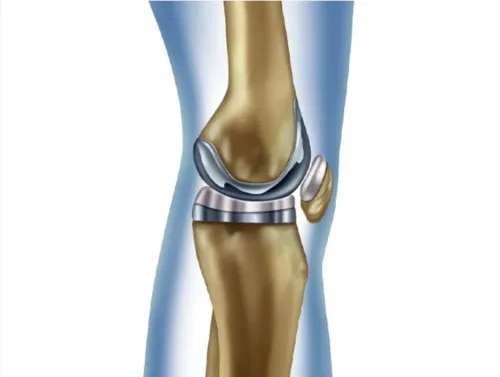
Best Knee Replacement Surgeon in Jaipur – Dr. Ashwini Kumar Khicher Dr. Ashwini Kumar Khicher is one of the Best Knee Replacement Surgeon in Jaipur, known for providing advanced and successful medical procedures. Knee problems can arise due to arthritis, injuries, or other joint conditions. While medications and physical therapy can help in the early stages, they may fail in severe cases. In such situations, Knee Replacement Surgery in Jaipur becomes the most effective option. This surgical procedure restores a knee damaged by arthritis or injury and is best suited for patients who suffer from chronic knee pain, swelling, and mobility issues. With years of expertise, Dr. Ashwini Kumar Khicher, a leading Orthopedic Doctor in Jaipur, specializes in providing world-class knee replacement treatments. --- When Should You Consider Knee Replacement Surgery? Our orthopedic specialists carefully examine the patient’s condition, conduct detailed tests, and recommend the most suitable treatment. If you are experiencing any of the following symptoms, it may be the right time to consult a Knee Replacement Surgeon in Jaipur: Severe knee pain making daily activities difficult Persistent knee inflammation and swelling Moderate to severe knee pain even while resting Knee deformity due to arthritis or injury If you are suffering from arthritis symptoms and knee pain, you should visit Dr. Ashwini Kumar Khicher for Knee Replacement Surgery in Jaipur. His team of experienced orthopedic experts ensures the best care with modern facilities. Whenever possible, the doctors try to delay total knee replacement with less invasive treatments. --- Common Conditions That Require Knee Replacement Knee replacement surgery is recommended for patients whose mobility is affected and who experience pain even while resting. The most common conditions include: Rheumatoid Arthritis Osteoarthritis Avascular Necrosis Bone Dysplasias Hemophilia Severe Knee Injuries Knee Deformities with Pain --- Book Appointment Online with the Best Knee Doctor in Jaipur If you are suffering from chronic knee pain or arthritis, Knee Replacement in Jaipur with Dr. Ashwini Kumar Khicher is the right choice for you. Our clinic provides an easy online appointment booking facility so you can save time and avoid long waiting hours at the hospital. By booking your consultation online, you get a confirmed appointment with the best orthopedic doctor in Jaipur. Our supportive staff and expert doctors are always available to help you with your knee-related issues. 👉 Visit our website to know more about our services, facilities, doctors, and contact details. Take the first step towards a pain-free life by consulting Dr. Ashwini Kumar Khicher – the Best Knee Replacement Surgeon in Jaipur.

Subcategory Tags

Phone Number

Email Address dr_ashu84@rediffmail.com

Mon-Thu: 10 AM - 2 PM • Fri: 3 PM - 7AM

Other Website Visit our other website
Address Amar Jain Hospital, 374-C, Amrapali Circle, Vaishali Nagar, Jaipur, Rajasthan 302021

Jaipur, India, 302021