Knee arthritis can gradually change the way a person walks, climbs stairs, stands from a chair, and manages everyday responsibilities. When pain becomes persistent, patients may begin searching for the Best TKR Surgeon in Jaipur and wondering whether total knee replacement is the next step.
TKR, or total knee replacement, is generally considered for selected patients with significant knee joint damage and symptoms that substantially affect daily function.
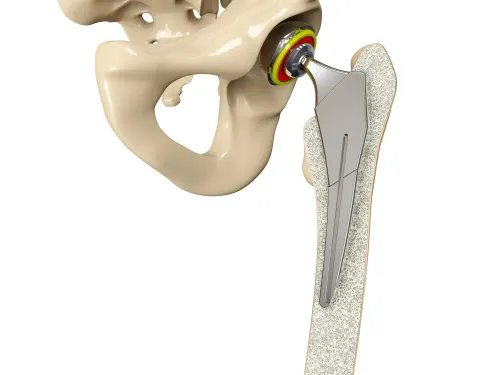
The procedure involves replacing damaged joint surfaces with artificial components. However, the presence of arthritis alone does not determine whether surgery should be performed.
An orthopedic evaluation considers the pattern and severity of pain, stiffness, deformity, walking capacity, knee movement, stability, X-ray findings, and response to previous treatment.
For earlier or less disabling disease, treatment may include appropriate exercise, physiotherapy, weight management when relevant, activity modification, medicines, and other non-operative strategies according to individual needs.
Replacement becomes a stronger consideration when symptoms remain substantial despite appropriate conservative care.
Before deciding on TKR, patients should understand several practical points.
First, recovery is progressive. Walking may begin relatively early according to the treating team's protocol, but strength, confidence, endurance, and comfortable movement develop over time.
Second, physiotherapy and exercises have an important role. Regaining knee movement and rebuilding the surrounding muscles can influence functional recovery.
Third, every operation has potential risks. Infection, blood clots, stiffness, wound problems, persistent discomfort, implant-related complications, and medical issues are among the matters that should be discussed during informed consent.
Patients should also have realistic expectations. Knee replacement is generally intended to improve pain and function in an appropriately selected arthritic knee. It does not recreate a natural teenage knee or guarantee unlimited activity.
People travelling within Jaipur or from other parts of Rajasthan should also plan for postoperative support. Transportation, assistance at home, follow-up appointments, exercises, and temporary modifications to the home environment can make early recovery easier.
Dr Ashwini Kumar Khicher assesses patients with knee arthritis and related orthopedic problems to determine whether conservative management remains appropriate or whether surgical options such as TKR merit consideration.
A useful consultation should leave the patient knowing why surgery is or is not being recommended, what alternatives exist, what preparation is required, and what rehabilitation will involve.
That understanding is far more valuable than deciding on knee replacement based solely on age, an X-ray report, or another patient's experience.
Keywords