Sports injuries do not occur only in professional athletes. Runners, gym users, cyclists, football players, badminton enthusiasts, weekend cricketers, and physically active adults can all experience ligament, tendon, cartilage, muscle, or joint injuries.
Someone searching for the Best Sports Injury Surgeon in Jaipur may be dealing with a problem that initially appeared minor but has failed to settle.
One common mistake is judging injury severity only by pain. Some significant ligament or cartilage injuries may allow a person to walk, particularly after the initial swelling decreases.
Instead, pay attention to function.
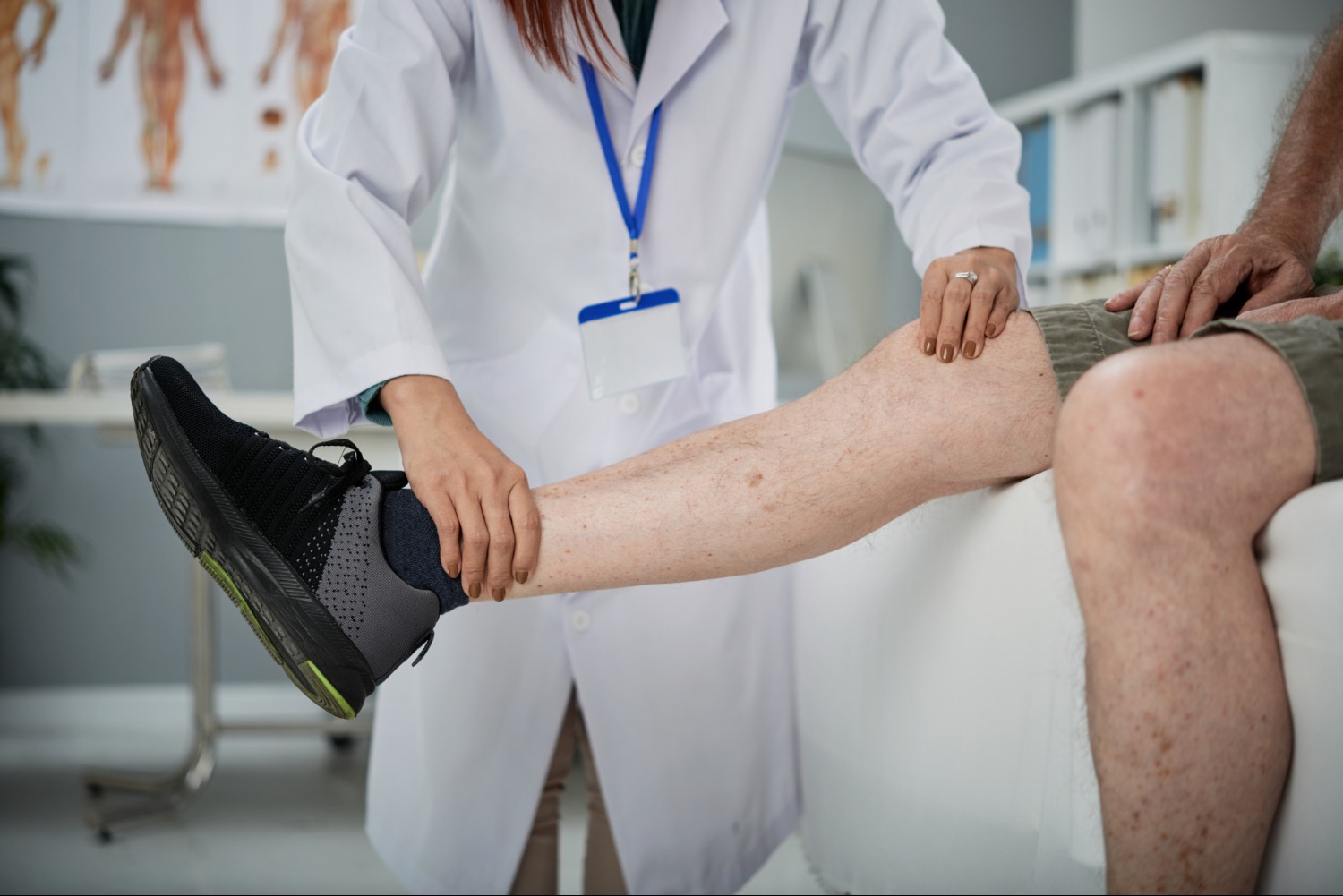
Warning signs that deserve orthopedic assessment include persistent swelling, repeated giving way, inability to fully bend or straighten a joint, locking, catching, weakness, reduced sporting performance, or pain that repeatedly returns when activity resumes.
Knee injuries are particularly common in sports. Sudden twisting can affect the ACL, meniscus, collateral ligaments, cartilage, or several structures simultaneously. Shoulder injuries may involve instability, rotator cuff structures, labral tissue, or other components.
Diagnosis begins with understanding exactly how the injury happened.
Was there a twisting movement? Direct collision? Awkward landing? Sudden acceleration? Did the patient hear or feel a pop? Was swelling immediate or delayed?
These details can help guide clinical examination.
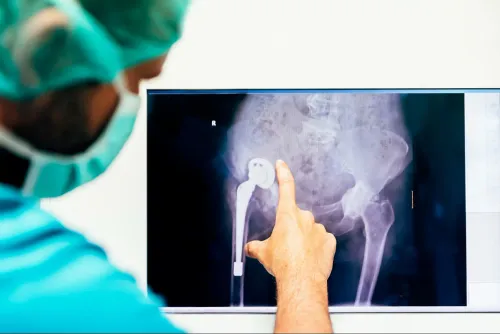
Imaging may then be selected when required. X-rays are useful for evaluating bone-related injury, while MRI can provide additional information about selected soft-tissue structures.
Importantly, seeing a sports injury surgeon does not mean every sports injury requires surgery.
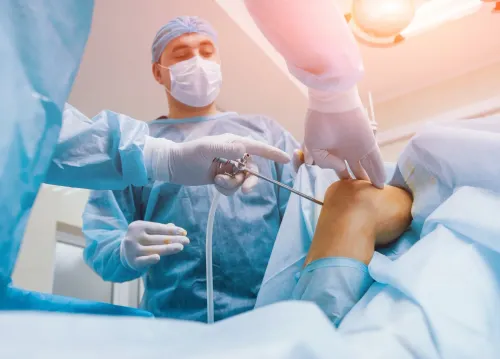
Many conditions can be managed through structured rehabilitation, temporary activity modification, progressive strengthening, and appropriate medical treatment. Surgery becomes relevant for selected injuries where instability, structural damage, sporting requirements, recurrent symptoms, or failure of suitable conservative treatment justify intervention.
Dr Ashwini Kumar Khicher assesses orthopedic and sports-related injuries in Jaipur with treatment planning based on diagnosis and functional requirements.
Return to sport should also be treated as a process rather than a date on the calendar. Pain reduction alone does not necessarily indicate readiness. Strength, movement, balance, joint stability, confidence, and sport-specific function may all need consideration.
This is especially relevant for active people who want to return to running, gym training, field sports, or competitive activity.
The safest question after a sports injury is therefore not simply, 'When can I play again?' A more useful question is, 'What needs to recover before I can return safely?'
That shift in approach can help reduce premature return and support a more structured recovery.
Keywords