A road accident, fall from height, workplace incident, or high-impact sports injury can cause much more than a straightforward fracture. Bones may break in several places, joints can become unstable, and surrounding muscles, nerves, blood vessels, and soft tissues may also be affected.
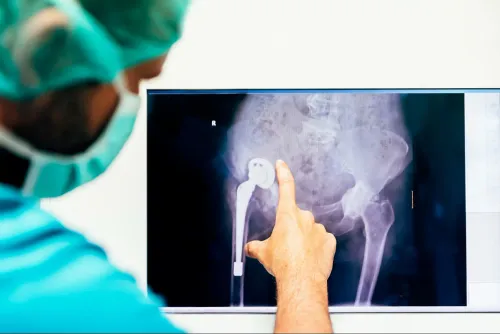
This is why someone searching for the Best Trauma Surgeon in Jaipur should understand that orthopedic trauma care begins with systematic assessment rather than simply identifying a broken bone on an X-ray.
The first priority after significant trauma is overall patient safety. Serious injuries can involve more than one part of the body, so emergency teams may initially assess breathing, circulation, neurological status, bleeding, and other potentially urgent concerns.
Once the patient is stable, attention turns toward the musculoskeletal injuries.
A trauma assessment may examine:
- Location and pattern of fractures
- Joint involvement
- Limb alignment
- Skin and soft-tissue condition
- Blood circulation to the affected limb
- Nerve function
- Associated dislocations
- Multiple injuries occurring together
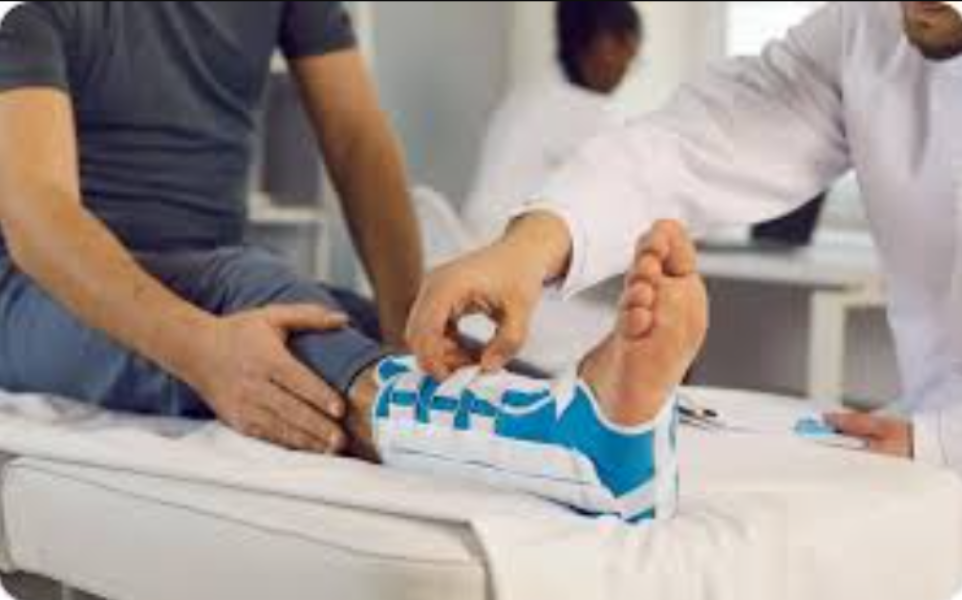
Not every fracture requires an operation. Stable fractures with acceptable alignment may sometimes be treated using a cast, brace, restricted activity, or other conservative approaches.
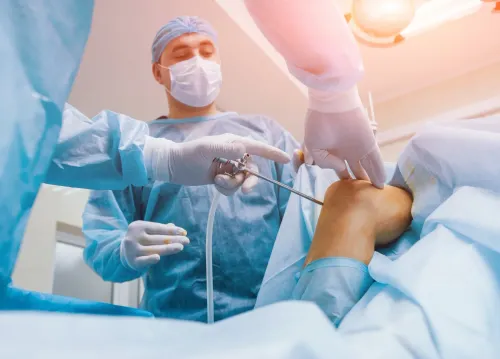
Surgery becomes more relevant when a fracture is displaced, unstable, open, significantly involves a joint, threatens normal alignment, or cannot be maintained satisfactorily through non-operative treatment.
Timing also matters. Some fractures require relatively prompt stabilization, while others may need swelling or soft-tissue conditions to improve before definitive surgery is performed. Treatment is therefore individualized rather than based solely on the name of the fracture.
In Jaipur, road traffic injuries are among the situations that can bring patients into orthopedic trauma care. Families may naturally focus on how quickly the patient can return home or start walking. However, appropriate fracture alignment, wound condition, stability, and safe rehabilitation are more important than rushing recovery.
Following treatment, rehabilitation becomes an essential part of the process. Depending on the injury, patients may gradually progress through protected movement, weight-bearing guidance, joint mobility exercises, muscle strengthening, and functional rehabilitation.
Dr Ashwini Kumar Khicher evaluates orthopedic trauma with attention to the fracture pattern and the patient's broader functional needs. Follow-up is important because recovery continues well beyond the initial procedure or cast application.
Urgent medical assessment is particularly important after severe trauma when there is an open wound over a fracture, severe deformity, uncontrolled bleeding, numbness, a cold or pale limb, inability to move the affected area, or rapidly increasing swelling.
Good trauma care is ultimately about more than repairing a fracture. The objective is to restore stable anatomy where possible while creating appropriate conditions for healing, mobility, and long-term function.
Keywords