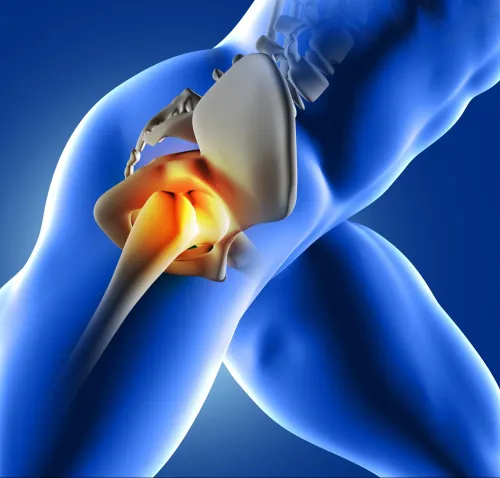
A knee injury can affect far more than your ability to play sports. Even routine activities such as walking, squatting, or climbing stairs may become painful when the meniscus is damaged. One of the most common questions patients ask after being diagnosed with a torn meniscus is whether they need a Meniscal Repair or if removing the damaged portion is the better option.
The answer depends on several factors, including the location of the tear, the patient's age, activity level, and the overall condition of the knee joint. Understanding these treatment approaches can help you have an informed discussion with your orthopedic specialist.
What Is the Meniscus?
The meniscus is a C-shaped piece of cartilage located between the thigh bone and shin bone. Each knee has two menisci that act as shock absorbers, distribute body weight evenly, and improve joint stability.
A healthy meniscus protects the knee cartilage from excessive wear, making it essential for long-term joint function.
How Do Meniscus Tears Occur?
Meniscal injuries can happen suddenly or develop gradually over time.
Common causes include:
- Twisting the knee while the foot remains planted
- Sports involving quick direction changes
- Heavy lifting with improper body mechanics
- Falls or accidents
- Age-related degeneration
- Previous ligament injuries
In younger individuals, tears often result from sports injuries, while older adults may experience degenerative tears due to cartilage wear.
Symptoms That Should Not Be Ignored
A torn meniscus may present with symptoms such as:
- Pain along the knee joint
- Swelling
- Clicking or catching sensations
- Difficulty bending or straightening the knee
- Knee locking
- Feeling that the knee may give way
Persistent symptoms should always be evaluated because untreated tears can lead to further joint damage.
What Is Meniscal Repair?
Meniscal Repair is a surgical procedure that preserves the damaged cartilage by stitching the torn edges together rather than removing them.
This option is usually recommended when:
- The tear is located in an area with good blood supply.
- The injury is relatively recent.
- The knee is otherwise healthy.
- The patient wishes to maintain long-term joint function.
- Associated ligament reconstruction is also being performed.
Preserving the natural meniscus helps protect the knee from early arthritis and improves long-term outcomes whenever healing is possible.
When Is Meniscus Removal Considered?
Sometimes the torn tissue cannot heal because of its location or severity.
Partial meniscectomy, which involves removing only the damaged portion, may be recommended if:
- The tears are complex.
- The cartilage is severely damaged.
- The tissue cannot be repaired successfully.
- Degenerative changes are already present.
Removing unstable tissue can relieve pain and improve movement, although preserving the meniscus remains the preferred choice whenever feasible.
Comparing Both Treatment Options
While every patient requires individualized assessment, understanding the general differences can be helpful.
Meniscal Repair
- Preserves natural cartilage
- Better long-term joint protection
- Lower risk of early arthritis
- Longer rehabilitation period
- Higher healing potential in suitable tears
Partial Meniscectomy
- Faster initial recovery
- Shorter rehabilitation
- Effective for irreparable tears
- Slightly increased long-term risk of cartilage wear
- Appropriate for selected patients
The goal is always to preserve as much healthy meniscal tissue as possible.
The Role of Arthroscopic Surgery
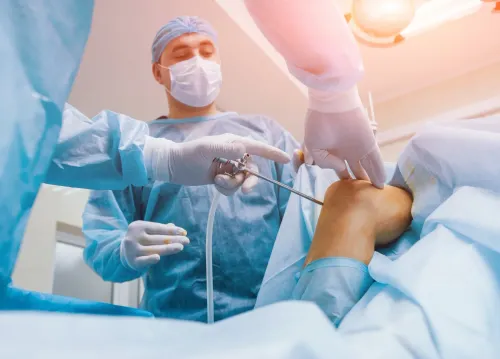
Modern meniscal procedures are usually performed using arthroscopy, a minimally invasive technique involving small incisions and a tiny camera.
Benefits include:
- Smaller surgical wounds
- Less soft tissue disruption
- Better visualization of the knee
- Reduced postoperative discomfort
- Faster rehabilitation compared with traditional open surgery
Arthroscopy also allows surgeons to evaluate ligaments, cartilage, and other joint structures during the same procedure.
Recovery After Meniscal Repair
Recovery depends on the type of surgery and the extent of the injury.
Patients are generally advised to:
- Follow weight-bearing instructions carefully
- Perform supervised physiotherapy
- Strengthen thigh and hip muscles
- Avoid high-impact activities until healing is complete
- Attend regular follow-up appointments
Returning to sports too early may increase the risk of re-injury, making rehabilitation just as important as the procedure itself.
Why Early Diagnosis Matters
Ignoring knee pain or assuming it will resolve on its own can allow a small tear to become larger over time. Delayed treatment may also increase cartilage damage and reduce the chances of preserving the meniscus.
People experiencing persistent knee pain in Jaipur often benefit from early orthopedic evaluation, particularly if symptoms developed after a sports injury or sudden twisting movement.
Experienced specialists such as Dr. Ashwini Kumar Khicher assess each patient's knee carefully before recommending the most suitable treatment. The practice focuses on evidence-based orthopedic care, including arthroscopic procedures and joint preservation techniques. Educational information available through arthroalign.com also helps patients understand different treatment options before making informed decisions.
Protecting the meniscus whenever possible supports better knee function, improved mobility, and healthier joints for years to come.
Keywords