A fracture can range from a small, stable crack in a bone to a displaced injury involving several bone fragments. Some fractures can be managed with immobilization, while others require reduction, fixation, or surgery. The correct treatment depends on much more than whether an X-ray shows a broken bone.
Early orthopedic assessment is particularly important when alignment, joint surfaces, nerves, blood vessels, or surrounding soft tissues may be affected.
Fracture Symptoms That Need Attention
Pain and swelling are common after an injury, but certain signs make prompt medical assessment especially important.
These include:
- Visible deformity
- Inability to use the injured limb
- Severe swelling
- Increasing pain
- An open wound near the suspected fracture
- Numbness or altered sensation
- Changes in skin colour
- Injury following significant trauma
- Persistent pain despite initial treatment
A fracture should not be self-diagnosed based only on whether a person can move the injured area. Some people remain able to walk or move despite having a fracture.
How Are Fractures Evaluated?
Clinical examination helps determine where the injury occurred and whether circulation, sensation, joint function, or soft tissue has been affected.
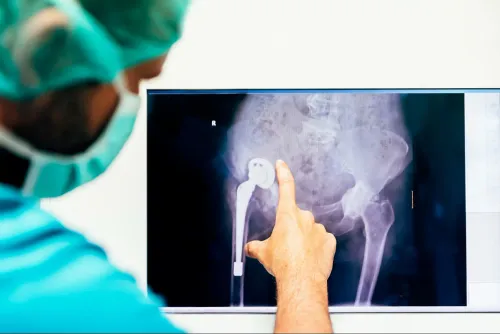
X-rays are commonly used to identify the fracture pattern. CT scanning may be needed for complex injuries, particularly fractures extending into a joint or involving complicated anatomy.
The fracture may then be classified according to its location, displacement, stability, fragmentation, and involvement of surrounding structures.
Does Every Fracture Need Surgery?
No.
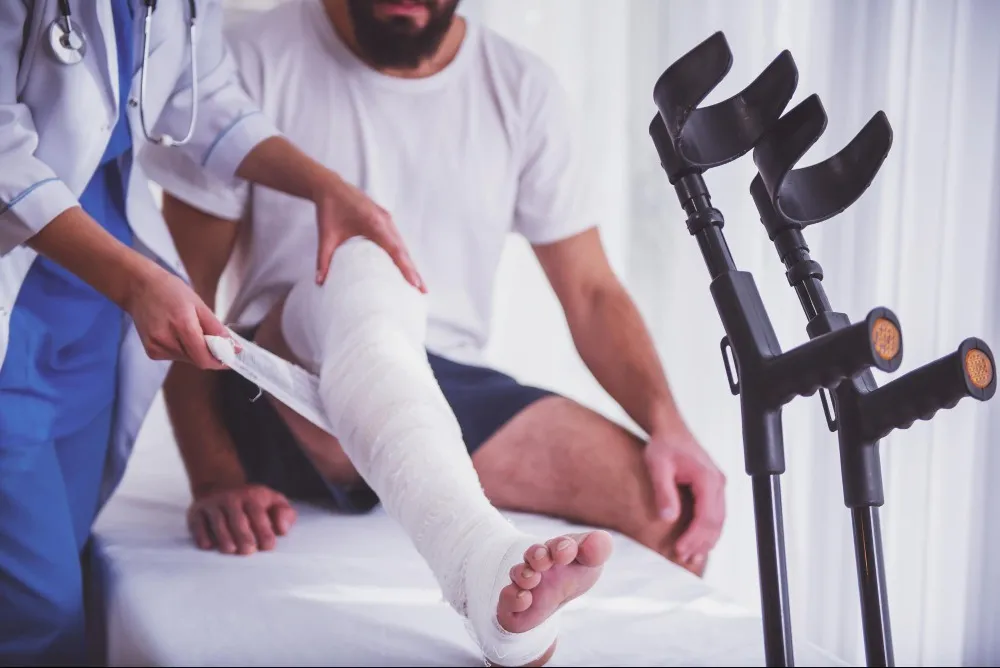
Stable fractures with acceptable alignment may sometimes heal with a cast, splint, brace, or other conservative management. Surgery becomes more likely when the fracture is displaced, unstable, open, significantly fragmented, or affecting an important joint surface.
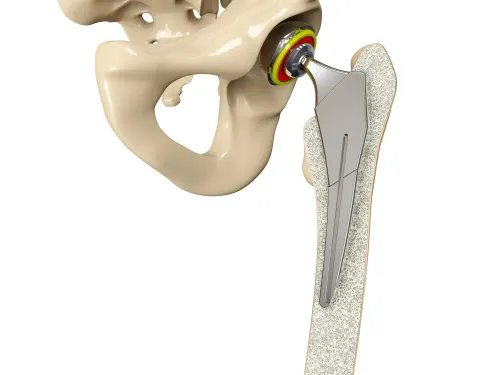
Surgical fixation may involve plates, screws, nails, wires, or other devices depending on the injury.
The best fracture surgeon for a particular injury should therefore be able to explain why surgery is necessary rather than recommending an operation solely because a fracture exists.
Why Timing Can Matter
Certain fractures require timely treatment to restore alignment and reduce the risk of complications. Delayed evaluation may make some injuries more difficult to manage, particularly when substantial swelling, displacement, skin compromise, or joint involvement is present.
People in Jaipur who sustain significant falls, road traffic injuries, workplace accidents, or sports-related trauma should seek appropriate assessment rather than repeatedly testing the injured limb at home.
Recovery Continues After Bone Fixation
Dr Ashwini Kumar Khicher manages orthopedic injuries in Jaipur with attention to fracture configuration, stability, joint involvement, soft-tissue condition, and functional recovery.
Treatment does not end when a bone is aligned or surgically fixed. Follow-up imaging may be needed to monitor healing. Rehabilitation can help restore joint movement, muscle strength, balance, and function once medically appropriate.
Patients should also understand weight-bearing restrictions. Putting excessive load on a healing fracture too early may interfere with recovery, while unnecessary prolonged inactivity can contribute to stiffness and weakness.
The best fracture surgeon is not simply someone who operates on broken bones. Appropriate fracture care requires accurate diagnosis, selection of surgical or conservative treatment, protection of surrounding tissues, monitoring of bone healing, and a rehabilitation plan designed around the individual injury.
Keywords