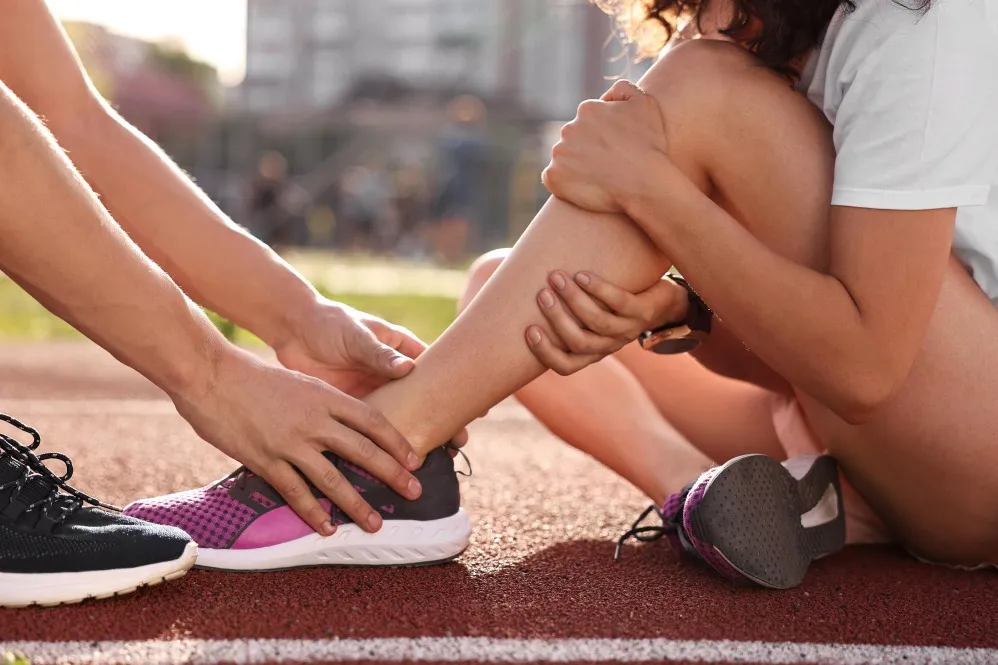
Sports injuries are no longer limited to professional athletes. Weekend runners, gym enthusiasts, school athletes, and even individuals with active lifestyles can experience ligament tears, tendon injuries, muscle strains, and joint damage. While many injuries heal with rest and rehabilitation, some require evaluation by a sports injury treatment surgeon to restore stability and prevent long-term complications.
Understanding when conservative treatment is sufficient and when surgery becomes necessary helps patients make informed decisions without unnecessary delays.
Not Every Sports Injury Needs Surgery
One of the biggest misconceptions is that visiting an orthopedic sports specialist automatically means surgery.
In reality, treatment depends on several factors, including:
- The type of injury
- Severity of tissue damage
- Age of the patient
- Activity level
- Sports participation
- Functional goals
- Overall joint stability
Many mild injuries improve successfully through structured rehabilitation without any surgical intervention.
Common Sports Injuries Seen by Orthopedic Specialists
Sports place repeated stress on joints, muscles, and connective tissues.
Frequently treated conditions include:
- ACL injuries
- PCL injuries
- Meniscus tears
- Shoulder instability
- Rotator cuff injuries
- Ankle ligament tears
- Cartilage injuries
- Tendon ruptures
Prompt diagnosis allows treatment to begin before secondary damage develops.
When Conservative Treatment Works Well
Non-surgical care is often recommended for:
- Mild ligament sprains
- Minor muscle injuries
- Stable meniscus tears
- Tendinitis
- Early overuse injuries
- Partial ligament injuries
Treatment usually involves:
- Rest
- Ice therapy
- Compression
- Elevation
- Physiotherapy
- Muscle strengthening
- Gradual return-to-activity programs
Following the rehabilitation schedule is essential for successful recovery.
Signs That Surgery May Be Recommended
Certain injuries cannot heal properly without surgical repair or reconstruction.
An orthopedic sports injury surgeon may recommend surgery if you experience:
- Complete ligament rupture
- Recurrent joint instability
- Locking of the knee
- Repeated shoulder dislocations
- Significant cartilage damage
- Failure of conservative treatment
- Persistent pain affecting daily activities
- High-performance athletic requirements
The decision is always based on clinical findings rather than imaging alone.
Why Early Diagnosis Is Important
Ignoring a sports injury may seem harmless when the pain gradually decreases, but instability can continue silently.
Untreated injuries may lead to:
- Repeated joint damage
- Meniscus tears
- Cartilage degeneration
- Early arthritis
- Reduced athletic performance
- Chronic instability
Early orthopedic evaluation allows treatment before permanent joint damage develops.
Advances in Sports Injury Surgery
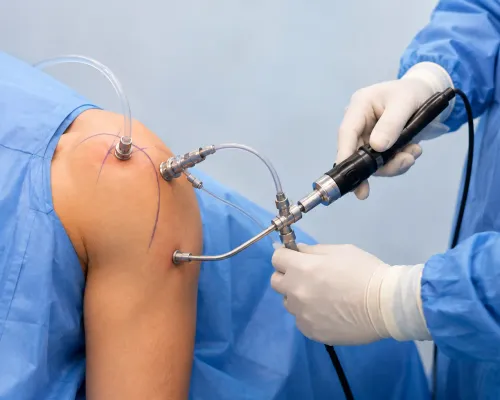
Modern orthopedic surgery has become significantly less invasive than in previous decades.
Many procedures are now performed arthroscopically, offering advantages such as:
- Smaller incisions
- Less tissue damage
- Improved visualization
- Reduced postoperative discomfort
- Faster rehabilitation
- Earlier return to activity
Treatment plans are customized according to each patient's goals rather than following a standard protocol.
Rehabilitation Determines Long-Term Success
Whether treatment is surgical or non-surgical, rehabilitation remains the foundation of recovery.
A typical rehabilitation program focuses on:
- Restoring joint movement
- Improving muscle strength
- Enhancing balance
- Preventing stiffness
- Building endurance
- Reducing the risk of reinjury
Patients who complete rehabilitation are generally better prepared to return safely to sports and physically demanding work.
Returning to Sports Safely
Many patients feel eager to resume activity once pain decreases. However, returning too early increases the likelihood of another injury.
Before resuming sports, patients should demonstrate:
- Full range of motion
- Adequate muscle strength
- Joint stability
- Good balance
- Functional movement without pain
These milestones should be assessed by an orthopedic specialist or physiotherapist.
Specialized Sports Injury Care in Jaipur
With growing participation in fitness and recreational sports across Jaipur, access to specialized orthopedic sports medicine has become increasingly important.
Patients experiencing persistent joint pain or instability often seek evaluation from experienced orthopedic specialists such as Dr. Ashwini Kumar Khicher, whose practice includes sports injury management, arthroscopic procedures, and personalized rehabilitation planning. Informative patient resources available through arthroalign.com also explain common sports injuries and modern treatment approaches in an easy-to-understand manner.
Timely diagnosis, appropriate treatment, and dedicated rehabilitation can help patients recover safely while protecting long-term joint health and athletic performance.
Keywords