Accidents happen without warning. Whether caused by a road traffic collision, a workplace incident, a fall, or a sports injury, severe fractures require prompt and specialized treatment. An Orthopedic Trauma Surgeon focuses on managing complex bone, joint, and soft tissue injuries with the goal of restoring function while minimizing long-term complications.
Understanding the role of an orthopedic trauma specialist helps patients and families appreciate why timely treatment is essential after major injuries.
What Is Orthopedic Trauma?
Orthopedic trauma involves injuries affecting the musculoskeletal system.
These injuries commonly include:
- Complex fractures
- Multiple broken bones
- Joint dislocations
- Pelvic fractures
- Acetabular fractures
- Open fractures
- Crush injuries
- Fractures involving joints
Many of these conditions require immediate medical attention to prevent complications.
Common Causes of Orthopedic Trauma
Serious orthopedic injuries frequently result from:
- Road traffic accidents
- Falls from significant heights
- Industrial accidents
- Sports injuries
- Construction site incidents
- High-impact recreational activities
The force involved often damages not only bones but also muscles, ligaments, nerves, and surrounding soft tissues.
Why Early Treatment Is Critical
Delaying treatment may increase the risk of:
- Poor fracture healing
- Joint stiffness
- Infection
- Bone deformity
- Chronic pain
- Permanent loss of movement
Early stabilization of fractures allows healing to begin while reducing additional tissue damage.
How Orthopedic Trauma Is Diagnosed
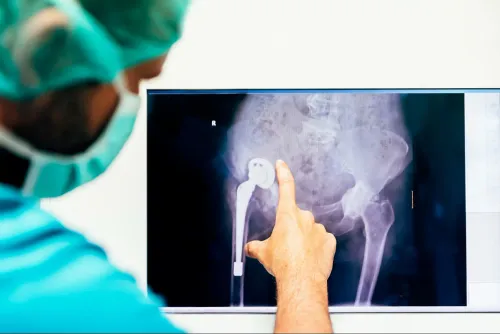
Accurate diagnosis begins with emergency evaluation followed by imaging studies.
Investigations may include:
- Digital X-rays
- CT scans
- MRI in selected cases
- Blood investigations
- Vascular assessment when required
The treatment plan depends on the location, complexity, and stability of the injury.
Surgical and Non-Surgical Treatment Options
Not every fracture requires surgery.
Stable fractures may heal successfully with:
- Casts
- Splints
- Braces
- Controlled weight bearing
- Physiotherapy
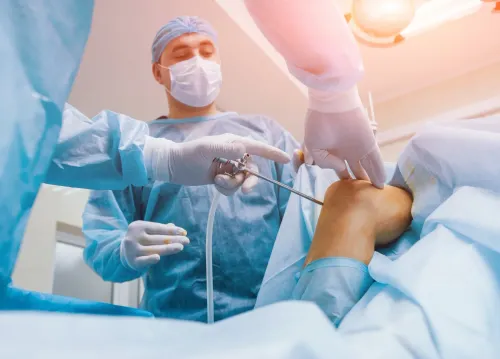
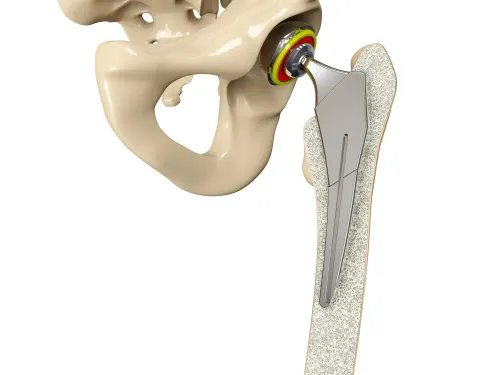
However, unstable or displaced fractures often require surgical fixation using specialized orthopedic implants.
The objective is to restore normal alignment and promote proper healing.
Recovery After Trauma
Recovery varies according to the injury and the patient's overall health.
Treatment usually involves:
- Pain management
- Physiotherapy
- Muscle strengthening
- Balance training
- Joint mobility exercises
- Gradual return to weight bearing
Patients who actively participate in rehabilitation often achieve better long-term outcomes.
Possible Long-Term Complications
Without appropriate treatment, severe fractures may lead to:
- Chronic joint pain
- Reduced mobility
- Limb deformity
- Early arthritis
- Muscle weakness
- Difficulty performing daily activities
Regular follow-up appointments help monitor healing and address potential complications early.
Preventing Orthopedic Injuries
Although accidents cannot always be avoided, certain precautions reduce risk.
Helpful measures include:
- Wearing seat belts
- Using protective sports equipment
- Following workplace safety guidelines
- Preventing falls at home
- Maintaining good bone health through nutrition and exercise
These habits contribute to stronger bones and safer daily activities.
Specialized Orthopedic Trauma Care in Jaipur
Access to experienced orthopedic trauma specialists has become increasingly important as Jaipur continues to grow and road traffic injuries become more common.
Patients with fractures and complex orthopedic injuries often seek evaluation from specialists such as Dr. Ashwini Kumar Khicher, whose practice includes orthopedic trauma management, fracture care, joint reconstruction, and rehabilitation planning. Additional educational information available through arthroalign.com helps patients better understand orthopedic injuries and the recovery process.
Receiving timely care from an orthopedic trauma surgeon can make a lasting difference in restoring movement, reducing complications, and helping patients safely return to their personal and professional lives.
Keywords