Persistent ankle pain can gradually affect walking, stair climbing, exercise, work, and everyday independence. When arthritis or severe joint damage progresses to the point where medicines, physiotherapy, activity modification, and other conservative measures provide inadequate relief, ankle replacement may become a treatment consideration.
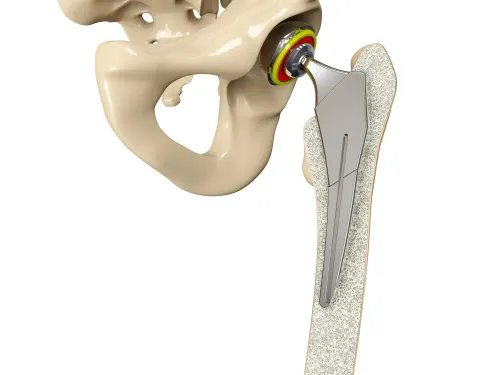
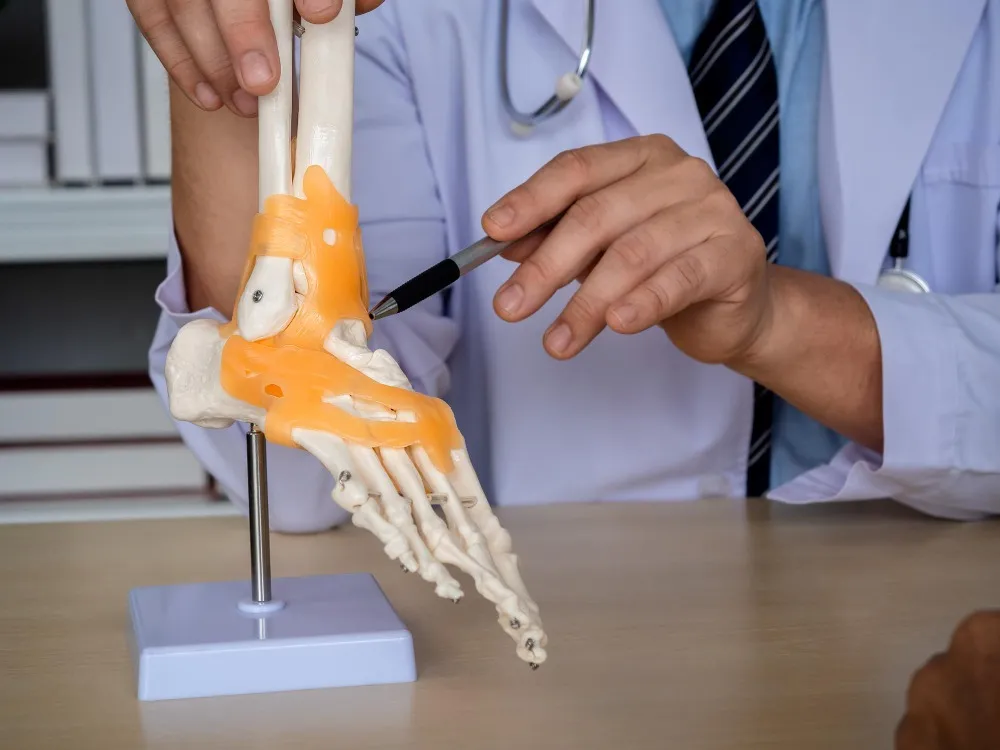
An ankle replacement is a specialized orthopedic procedure in which damaged joint surfaces are replaced with artificial components. The objective is generally to reduce pain while retaining useful movement at the ankle. However, replacement is not appropriate for every painful ankle, which makes a detailed assessment important before surgery is considered.
When Is Ankle Replacement Considered?
An orthopedic evaluation may be appropriate when a patient experiences:
- Persistent ankle pain during walking
- Significant stiffness or restricted movement
- Difficulty performing routine activities
- Advanced ankle arthritis
- Previous ankle injury followed by progressive degeneration
- Limited improvement despite appropriate non-surgical treatment
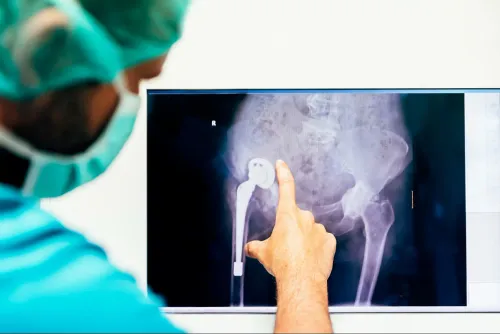
X-rays are commonly used to assess joint damage. Depending on the condition, additional imaging may be required to understand bone quality, alignment, deformity, or surrounding structures.
Ankle Replacement Is Not the Only Option
One important part of selecting the best ankle replacement surgeon is finding a specialist who evaluates alternatives rather than assuming that every arthritic ankle needs replacement.
Treatment may include physiotherapy, footwear modification, medication, injections in selected cases, ankle fusion, or replacement. Factors such as age, activity level, joint alignment, bone condition, overall health, and expectations can influence the treatment decision.
For patients in Jaipur, access to an orthopedic evaluation can help determine which approach is appropriate for the individual condition.
What Should Patients Discuss With Their Surgeon?
Before deciding on surgery, useful questions include:
- How advanced is the ankle damage?
- Is joint replacement appropriate for my condition?
- Are there reasonable non-surgical alternatives?
- What movement can I expect after recovery?
- What are the possible complications?
- How will rehabilitation be planned?
- What restrictions may apply after surgery?
Clear answers help patients develop realistic expectations.
Why Surgical Planning Matters
Ankle replacement involves more than replacing damaged surfaces. Alignment, implant positioning, soft-tissue balance, bone quality, and postoperative rehabilitation all influence recovery.
A specialist should therefore review both the joint itself and the patient's broader functional needs. Someone who needs comfortable movement for routine daily activities may have different expectations from a highly active individual.
Dr Ashwini Kumar Khicher evaluates orthopedic conditions in Jaipur with attention to diagnosis, joint function, imaging findings, and appropriate treatment planning. The decision to proceed with ankle replacement should follow a complete clinical assessment rather than being based only on pain severity.
Recovery Requires Active Participation
Recovery does not finish when surgery is completed. Patients may need a period of protected weight bearing followed by progressive rehabilitation. Physiotherapy can help restore mobility, improve strength, and support safer walking.
Following wound-care instructions, attending scheduled reviews, and avoiding premature high-impact activity are also important.
Ankle replacement can be valuable for appropriately selected patients with advanced joint damage, but successful treatment begins with determining whether replacement is actually the right procedure. When searching for the best ankle replacement surgeon, patients should focus on careful diagnosis, experience with ankle reconstruction, transparent discussion of alternatives, realistic expectations, and a structured rehabilitation plan.
Keywords