The word 'arthroscopy' is often associated with smaller incisions and faster recovery, which can make it sound automatically preferable to conventional surgery. In reality, arthroscopy and open surgery are different approaches used for different orthopedic problems.
Patients comparing options and searching for the Best Arthroscopy Surgeon in Jaipur should first understand whether arthroscopy is actually suitable for their diagnosis.
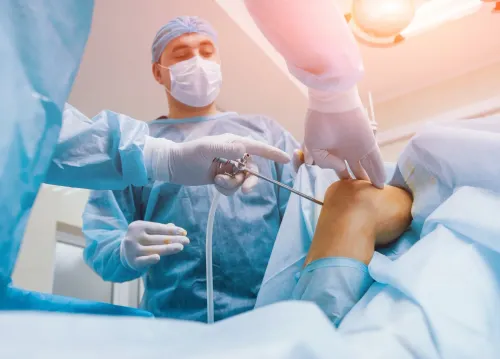
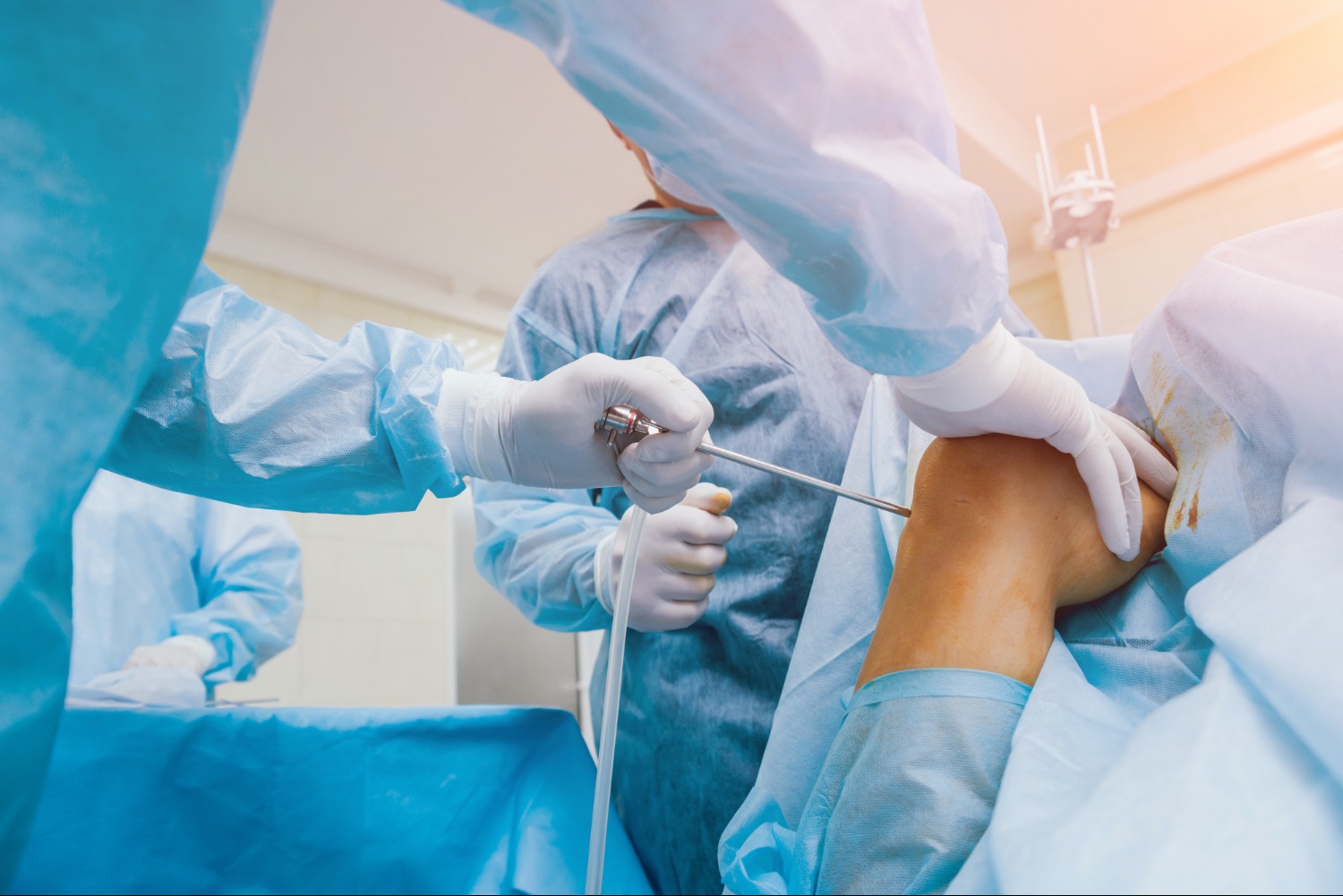
Arthroscopy uses a small camera inserted into a joint through a small incision. Specialized instruments can then be introduced through additional small portals to examine or treat selected structures.
It is commonly associated with knee and shoulder procedures, although arthroscopic techniques may be used in other joints as well.
Potential advantages in appropriately selected procedures can include smaller incisions and reduced disruption of surrounding tissues. However, this does not mean every joint problem should be treated arthroscopically.
Open surgery may provide better access for certain fractures, complex reconstructions, joint replacements, and conditions where wider exposure is required.
The choice depends on factors such as:
- Exact diagnosis
- Location of the damaged structure
- Extent of injury
- Associated injuries
- Previous surgery
- Patient anatomy
- Treatment objective
For example, an ACL reconstruction is commonly performed using arthroscopic assistance. Selected meniscal procedures and shoulder repairs can also use arthroscopic techniques. In contrast, total joint replacement is fundamentally different from a routine arthroscopic procedure.
Another misconception is that small incisions mean no rehabilitation.
Internal tissues still require biological healing. After arthroscopy, patients may need temporary activity restrictions, physiotherapy, progressive strengthening, and staged return to work or sport.
Recovery therefore depends more on what was repaired or reconstructed than on incision size alone.
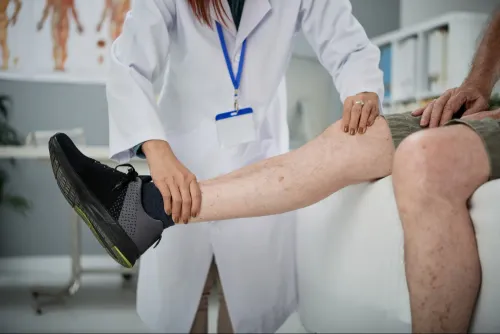
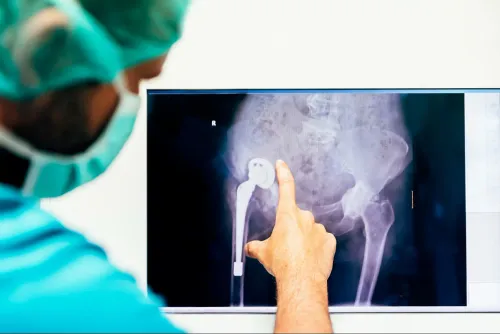
Patients in Jaipur comparing surgical options should ask their orthopedic surgeon to show what the imaging demonstrates and explain why a particular technique is being recommended.
Useful questions include whether non-operative treatment remains reasonable, what the procedure intends to correct, what restrictions will apply afterward, and what would happen if treatment were delayed.
Dr Ashwini Kumar Khicher evaluates joint injuries and orthopedic conditions where arthroscopic treatment may be considered according to clinical findings.
The term 'minimally invasive' should never replace proper diagnosis and patient selection. A technically advanced procedure offers value only when it is appropriate for the underlying problem.
Choosing between arthroscopic and open surgery is therefore not about selecting whichever sounds newer. It is about matching the surgical approach to the condition while considering safety, tissue healing, rehabilitation, and the patient's functional goals.
Keywords