Shoulder pain can make seemingly simple tasks surprisingly difficult. Reaching overhead, putting on clothes, lifting an object, driving, sleeping on one side, or performing gym exercises may become uncomfortable.
When symptoms continue, searching for the Best Shoulder Surgeon in Jaipur may be the next step. However, choosing appropriate care begins with identifying the cause rather than assuming that persistent shoulder pain requires surgery.
The shoulder is a highly mobile joint supported by bones, muscles, tendons, ligaments, and other soft tissues. Problems involving different structures can produce overlapping symptoms.
Common clinical possibilities include rotator cuff disorders, frozen shoulder, instability, arthritis, tendon problems, fractures, and injuries involving structures around the joint.
The pattern of symptoms provides useful clues.
Pain while raising the arm may have different implications from recurrent shoulder dislocation. Severe stiffness can require a different approach from weakness after an injury. Night pain, reduced movement, clicking, instability, and loss of strength should therefore be described carefully during consultation.
A thorough evaluation may include:
- How and when symptoms began
- Previous injury or dislocation
- Location of pain
- Active and passive shoulder movement
- Muscle strength
- Stability
- Neck-related symptoms
- Functional limitations
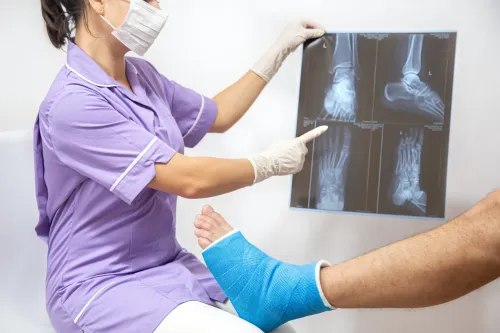
Imaging is selected according to the suspected condition. X-rays can reveal fractures, arthritis, alignment changes, and other bone-related findings. Ultrasound or MRI may be useful for selected soft-tissue problems.
Many shoulder conditions can initially be treated without surgery. Depending on the diagnosis, management may involve activity modification, medication, physiotherapy, mobility exercises, strengthening, or other targeted measures.
Surgery may become appropriate for selected fractures, recurrent instability, significant structural tears, advanced joint disease, or conditions that remain functionally limiting despite suitable conservative treatment.
Dr Ashwini Kumar Khicher evaluates shoulder and orthopedic conditions for patients in Jaipur, helping determine whether rehabilitation, continued conservative management, arthroscopic treatment, or another surgical approach should be considered.
When choosing a shoulder surgeon, ask for more than the name of the procedure. Ask what structure is responsible for the symptoms, whether the scan findings match the clinical examination, what non-operative options remain, and what rehabilitation will be required if surgery is performed.
This is particularly important for athletes, working professionals, older adults, and people whose occupations involve frequent overhead movement.
The most appropriate shoulder treatment is not necessarily the most aggressive option. It is the approach that matches the diagnosis, severity of the problem, functional needs, and realistic recovery goals of the individual patient.
Keywords