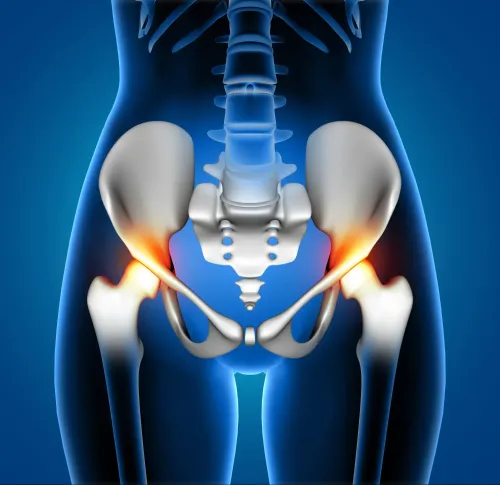
Total hip replacement can be an important treatment option for selected patients with severe hip joint disease, but preparing properly can make the treatment journey clearer and more manageable.
If you are evaluating the Best THR Surgeon in Jaipur, use the preoperative consultation to understand both the procedure and what will be expected from you before and after surgery.
Start with the diagnosis.
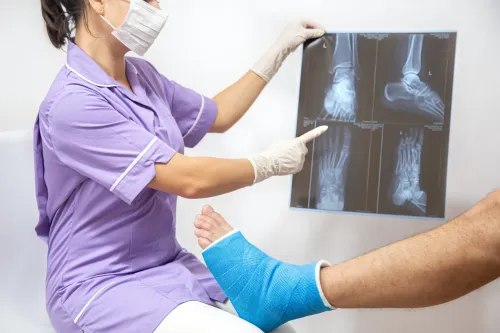
The surgeon should explain what is causing the hip symptoms and show how clinical findings and imaging support the recommendation for total hip replacement. Patients should also understand why continued non-operative treatment may or may not be appropriate.
Before proceeding, review this practical checklist.
Understand the purpose of surgery. Ask what symptoms are expected to improve and which limitations may persist.
Discuss your medical history. Diabetes, hypertension, cardiac conditions, previous blood clots, infections, medication use, and other health factors can influence perioperative planning.
Review current medicines. Some medications may require specific instructions before surgery. Changes should follow the treating medical team's guidance.
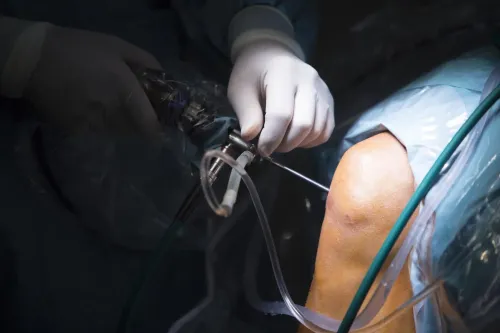
Ask about the implant and surgical plan. Patients do not need to become implant experts, but they should understand the broad reasoning behind the proposed approach.
Plan the first weeks at home. Consider bathroom access, stairs, sleeping arrangements, frequently used objects, transportation, and family assistance.
Understand mobility instructions. Ask when standing and walking are expected to begin and whether a walker or other aid is likely to be required initially.
Clarify rehabilitation. Exercises and activity progression should follow an individualized postoperative plan.
Know the warning signs. The treating team should explain symptoms that require prompt medical attention after discharge.
Dr Ashwini Kumar Khicher can assess patients considering total hip replacement in Jaipur and discuss treatment according to their diagnosis and health status.
Patients travelling from surrounding areas of Rajasthan should additionally consider how they will attend postoperative reviews and arrange rehabilitation where needed.
One of the most useful signs of readiness for THR is having realistic expectations. Replacement surgery aims to address significant joint-related pain and functional limitation, but recovery remains a process rather than an instant result.
A well-prepared patient understands the reason for surgery, relevant risks, early mobility plan, rehabilitation requirements, and follow-up schedule before admission.
That preparation turns the decision from 'I need a hip replacement' into a more useful understanding: 'I know why this procedure is being recommended, what it involves, and what I need to do to support my recovery.'
Keywords