Total Knee Replacement: Procedure, Recovery and Benefits | ArthroAlign
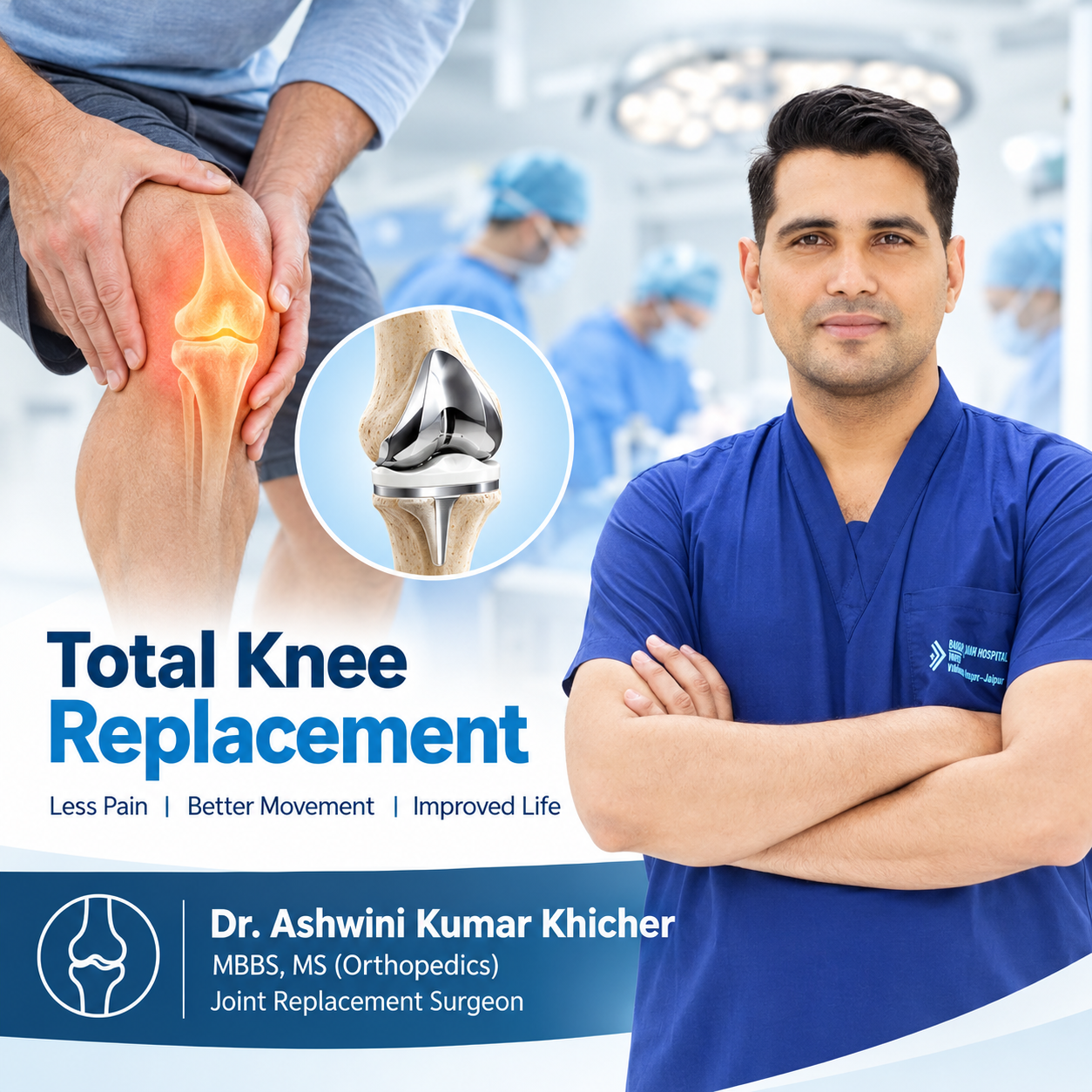
Total knee replacement is a surgical procedure used to relieve persistent knee pain and improve joint movement when the knee is severely damaged by arthritis or other conditions. It involves replacing the damaged joint surfaces with artificial implants to help patients walk more comfortably and perform everyday activities. At ArthroAlign, patients can learn about knee replacement treatment, the surgical process and the importance of rehabilitation for recovery.
What Is Total Knee Replacement?
Total knee replacement, also known as total knee arthroplasty (TKA), is a procedure in which damaged cartilage and bone surfaces of the knee are replaced with artificial components. It is commonly considered for people with advanced osteoarthritis, rheumatoid arthritis or significant knee damage that causes ongoing pain, stiffness and difficulty walking.
When Is Knee Replacement Surgery Needed?
An orthopaedic specialist may recommend total knee replacement when non-surgical treatments no longer provide sufficient relief. Common symptoms include persistent knee pain, swelling, stiffness, difficulty climbing stairs and reduced mobility. Treatment options may include medication, physiotherapy, lifestyle changes and other appropriate interventions before surgery is considered.
How Is Total Knee Replacement Performed?
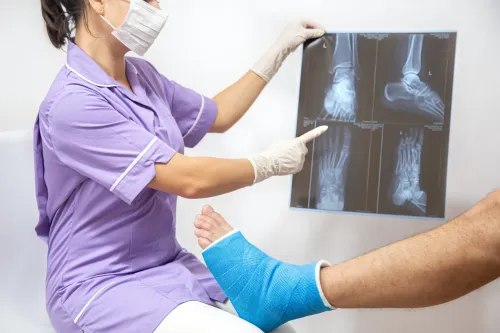
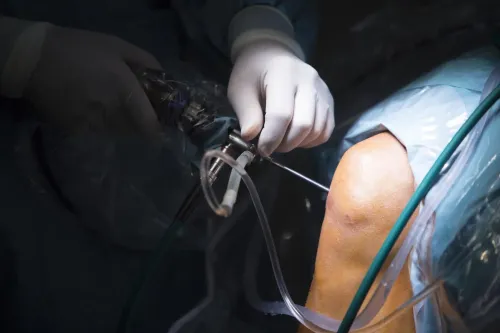
The procedure begins with a medical assessment, which may include physical examination, X-rays and other tests as needed. During surgery, the surgeon removes damaged joint surfaces and positions artificial components made from medical-grade materials. Anaesthesia is provided to manage pain during the operation.
After the implants are positioned, the surgical wound is closed, and the patient begins supervised recovery. The exact surgical approach and implant selection depend on the patient's condition and the surgeon's assessment.
Benefits of Total Knee Replacement
Total knee replacement may offer several benefits for suitable patients, including:
- Reduced pain caused by severe knee arthritis.
- Improved knee movement and joint function.
- Greater ease with walking and daily activities.
- Better ability to climb stairs and stand for longer periods.
- Improved sleep and quality of life when chronic knee pain decreases.
Individual results vary depending on overall health, joint condition and rehabilitation progress.
Recovery After Knee Replacement Surgery
Recovery takes time and requires regular follow-up and physiotherapy. Many patients begin standing or walking with assistance soon after surgery, depending on their medical condition and the surgeon's advice.
During the initial weeks, rehabilitation focuses on controlling swelling, improving knee movement and strengthening the surrounding muscles. Walking aids may be required temporarily. Over the following weeks and months, patients gradually increase their activity levels according to their recovery.
Following the prescribed exercise programme, maintaining a healthy weight and attending follow-up appointments can support long-term joint function. Recovery timelines vary from person to person.
Possible Risks and Precautions
Like any major operation, total knee replacement carries potential risks, including infection, blood clots, stiffness, persistent pain and implant-related complications. A thorough medical evaluation helps identify individual risk factors. Patients should follow their surgeon's instructions before and after surgery and seek prompt medical attention if they develop concerning symptoms.
Consult ArthroAlign for Knee Replacement Guidance
Living with persistent knee pain can affect mobility, independence and daily comfort. Understanding the available treatment options can help patients make informed decisions about their joint health. ArthroAlign provides information about knee replacement and orthopaedic care to help patients understand the procedure, recovery process and expected outcomes.
If knee pain is limiting your daily activities, consult a qualified orthopaedic specialist to discuss whether total knee replacement is appropriate for your condition.
Disclaimer: This article is for general educational purposes and does not replace professional medical advice, diagnosis or treatment.
Keywords