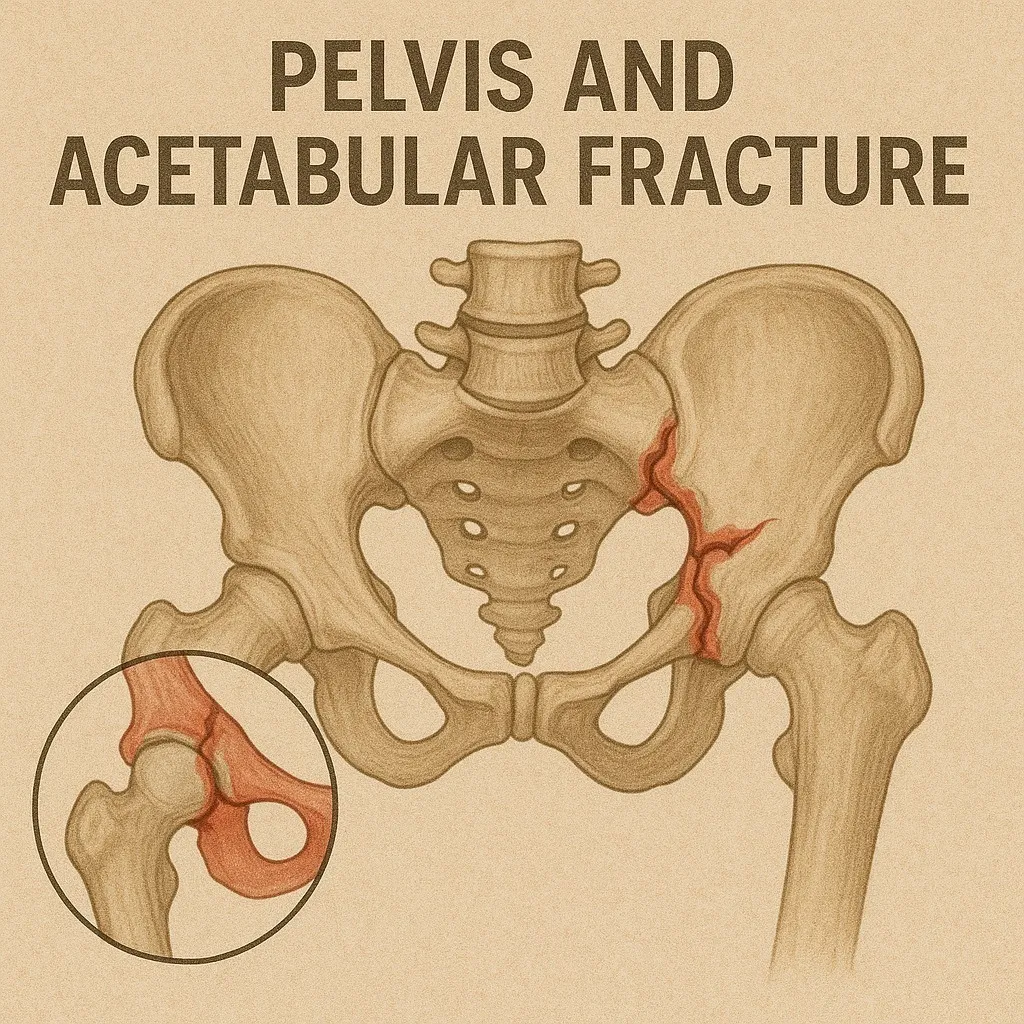
Pelvic injuries are among the most complex fractures treated by orthopedic surgeons. Whether caused by a road traffic accident, a significant fall, or high-impact trauma, these injuries often require careful evaluation and advanced surgical expertise. Consulting a pelvis and acetabular fracture surgeon is essential because the hip joint and pelvic bones play a critical role in supporting body weight, maintaining balance, and enabling movement.
Early diagnosis and appropriate treatment can significantly improve recovery while reducing the risk of long-term disability.
What Is the Difference Between Pelvic and Acetabular Fractures?
Although the terms are often used together, they refer to different injuries.
A pelvic fracture involves one or more of the pelvic bones, while an acetabular fracture affects the socket portion of the hip joint where the femoral head fits.
Both injuries may occur independently or together depending on the severity of trauma.
Common Causes of These Fractures
Pelvic and acetabular fractures usually result from high-energy injuries.
Common causes include:
- Road traffic accidents
- Falls from height
- Industrial accidents
- Sports-related trauma
- Crush injuries
In older adults with osteoporosis, even relatively minor falls can occasionally cause pelvic fractures.
Symptoms That Require Immediate Medical Attention
These fractures are often painful and significantly limit movement.
Patients may experience:
- Severe hip or pelvic pain
- Difficulty standing or walking
- Swelling and bruising
- Pain while moving the leg
- Visible deformity in severe injuries
- Inability to bear weight
Because these injuries may also involve blood vessels, nerves, or internal organs, immediate medical assessment is extremely important.
How Orthopedic Surgeons Diagnose the Injury
Accurate diagnosis begins with a detailed clinical examination followed by imaging studies.
Depending on the injury, investigations may include:
- Digital X-rays
- CT scans
- MRI in selected cases
- Three-dimensional imaging for surgical planning
These evaluations help determine fracture stability, displacement, and associated injuries.
Is Surgery Always Required?
Not every pelvic fracture requires surgery.
Stable fractures without significant displacement may heal with:
- Pain management
- Limited weight bearing
- Physiotherapy
- Regular follow-up imaging
However, unstable fractures or acetabular injuries affecting the hip joint frequently require surgical stabilization to restore alignment and joint function.
Goals of Surgical Treatment
When surgery is recommended, the objectives include:
- Restoring normal bone alignment
- Stabilizing the pelvis
- Preserving hip joint function
- Preventing future arthritis
- Allowing earlier rehabilitation
Each surgical plan is carefully tailored according to the fracture pattern and the patient's overall health.
Rehabilitation After Pelvic Fractures
Recovery extends beyond bone healing.
Rehabilitation usually focuses on:
- Controlled weight-bearing progression
- Muscle strengthening
- Walking training
- Balance improvement
- Hip mobility exercises
- Functional recovery
Recovery timelines vary depending on the complexity of the injury, but consistent rehabilitation is essential for regaining independence.
Potential Complications of Delayed Treatment
Ignoring or delaying treatment can lead to significant long-term problems.
Possible complications include:
- Chronic pain
- Hip arthritis
- Walking difficulties
- Limb length differences
- Reduced mobility
- Joint stiffness
- Poor fracture healing
Early specialist intervention helps reduce these risks and supports better long-term outcomes.
Accessing Advanced Orthopedic Trauma Care in Jaipur
As trauma care services continue to advance across Jaipur, patients now have greater access to specialized orthopedic expertise for complex fractures.
Orthopedic surgeons such as Dr. Ashwini Kumar Khicher evaluate each pelvic and acetabular injury individually, developing treatment plans that balance fracture healing, joint preservation, and functional recovery. Patients seeking additional information can also refer to arthroalign.com, where orthopedic conditions and treatment approaches are explained in a patient-friendly manner.
Complex fractures require more than immediate emergency treatment—they demand careful planning, skilled surgical management when necessary, and comprehensive rehabilitation to help patients regain mobility and return to their everyday lives as safely as possible.
Keywords