The term 'minimally invasive' is attractive to patients because it is often associated with smaller incisions and reduced tissue disruption. In orthopedic care, however, minimally invasive treatment does not simply mean making the smallest possible incision. The procedure must still provide safe access to the affected area and adequately treat the underlying problem.
Understanding this distinction can help patients make more informed treatment decisions.
What Does Minimally Invasive Orthopedic Surgery Mean?
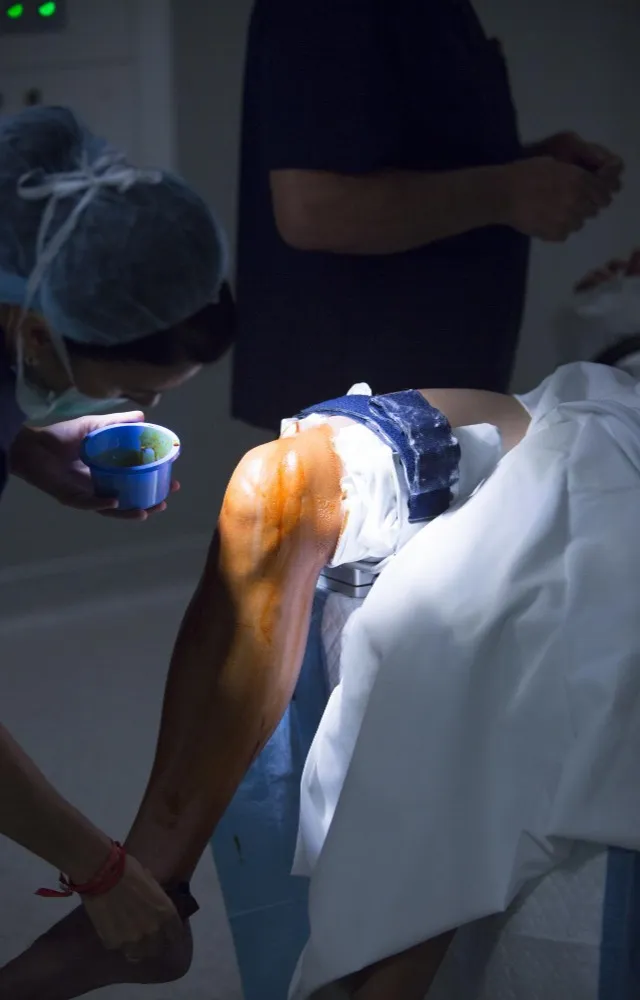
Minimally invasive orthopedic techniques aim to perform certain procedures while limiting unnecessary disruption of surrounding tissues. Arthroscopy is a common example. A small camera and specialized instruments can be introduced through small portals to examine and treat selected joint conditions.
Depending on the diagnosis, minimally invasive approaches may be used for certain:
- Knee injuries
- Shoulder problems
- Ligament injuries
- Meniscus tears
- Cartilage conditions
- Sports injuries
- Selected fracture procedures
- Joint conditions suitable for arthroscopy
The technique used depends on the anatomy and complexity of the problem.
Smaller Incisions Do Not Automatically Mean Better Treatment
Patients sometimes assume that a smaller incision guarantees faster recovery. Recovery is influenced by many factors, including the procedure performed, tissue damage present before surgery, age, general health, muscle strength, rehabilitation, and adherence to postoperative restrictions.
For some conditions, an open procedure may provide safer or more effective access. A responsible surgical recommendation therefore focuses on the most appropriate technique rather than the smallest incision.
When Is Surgery Actually Needed?
Orthopedic problems should first be diagnosed accurately. Depending on the condition, non-surgical treatment may include rest, activity modification, medication, physiotherapy, braces, or rehabilitation.
Surgery may become relevant when there is significant structural damage, instability, persistent mechanical symptoms, failure of appropriate conservative treatment, or an injury that requires surgical correction.
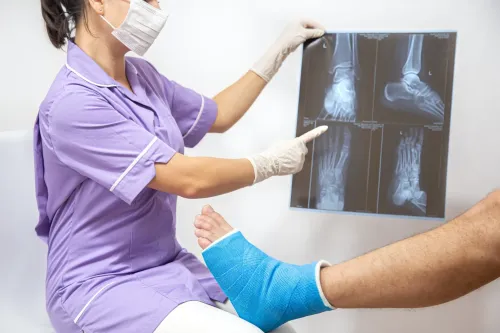
Patients in Jaipur considering minimally invasive treatment should therefore expect a clinical examination followed by appropriate imaging when required.
Questions Worth Asking
When meeting the best minimally invasive orthopedic surgeon for your needs, consider asking:
- What exactly is causing my symptoms?
- Can the condition improve without surgery?
- Why is a minimally invasive approach suitable?
- What structures will be treated?
- Could an open procedure become necessary?
- How long will rehabilitation take?
- When can normal activities resume?
These questions provide more useful information than simply asking how large the incision will be.
Choosing the Procedure Around the Diagnosis
Dr Ashwini Kumar Khicher evaluates orthopedic injuries in Jaipur with treatment planning based on the affected structure, severity of damage, functional needs, and imaging findings.
For example, two patients with knee pain may require completely different management. One may improve with rehabilitation, while another with an unstable ligament injury or symptomatic meniscus tear may need arthroscopic treatment.
The same principle applies across orthopedic care.
Minimally invasive surgery has expanded treatment possibilities for many musculoskeletal conditions, but it should not become the objective by itself. The objective is to treat the problem effectively while preserving healthy tissue whenever practical.
Choosing the best minimally invasive orthopedic surgeon therefore involves looking for accurate diagnosis, appropriate procedure selection, clear explanation of alternatives, experience with relevant techniques, and realistic recovery guidance. The right approach is the one suited to the patient's actual orthopedic condition.
Keywords