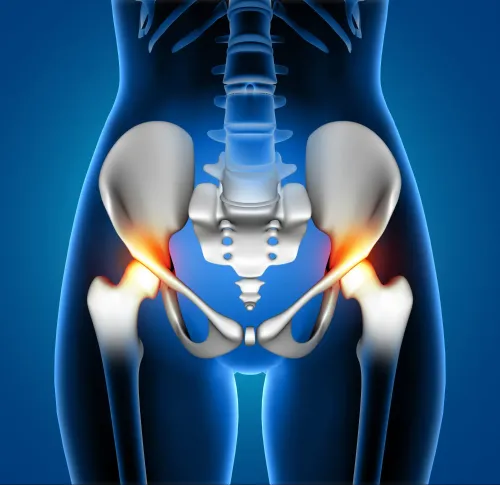
Hip pain can gradually change the way you live. Simple activities like walking, climbing stairs, getting in and out of a car, or even sleeping comfortably may become increasingly difficult. Many people try painkillers, physiotherapy, or home remedies for months before wondering whether Hip Replacement surgery is the right option.
The decision is not simply about choosing surgery over medication. It is about understanding what is causing the pain, how much it affects your daily life, and whether non-surgical treatments are still providing meaningful relief.
What Causes Chronic Hip Pain?
The hip is one of the body's largest weight-bearing joints, making it vulnerable to wear and injury over time.
Some of the most common causes include:
- Osteoarthritis
- Rheumatoid arthritis
- Hip fractures
- Avascular necrosis
- Previous trauma
- Congenital hip disorders
- Cartilage degeneration
As these conditions progress, the smooth cartilage covering the joint gradually wears away, leading to pain, stiffness, and reduced mobility.
When Is Pain Management Enough?
Not every patient with hip pain requires surgery. In many cases, conservative treatment can successfully reduce symptoms and improve movement.
These options may include:
- Weight management
- Physiotherapy
- Anti-inflammatory medication
- Walking aids
- Lifestyle modifications
- Joint injections
- Low-impact exercise programs
For patients with mild to moderate arthritis, these treatments may help maintain an active lifestyle for several years.
Signs That Conservative Treatment May No Longer Be Working
Pain management has limitations. If symptoms continue to worsen despite treatment, it may be time to discuss surgical options with an orthopedic specialist.
Some important warning signs include:
- Pain that interferes with sleep
- Difficulty walking short distances
- Dependence on daily pain medication
- Reduced independence
- Stiffness affecting routine activities
- Limited hip movement
- Frequent limping
- Pain even while resting
These symptoms often indicate significant joint damage that may not improve with medication alone.
What Happens During Hip Replacement?
Hip replacement surgery involves removing the damaged portions of the hip joint and replacing them with artificial components designed to restore smooth movement.
Modern surgical techniques aim to:
- Reduce pain
- Improve joint function
- Restore mobility
- Enhance long-term quality of life
The procedure is carefully planned after evaluating the patient's overall health, imaging studies, bone quality, and lifestyle requirements.
Benefits Beyond Pain Relief
Many people assume hip replacement only reduces pain, but the advantages often extend much further.
Patients frequently experience improvements in:
- Walking ability
- Joint flexibility
- Daily independence
- Sleep quality
- Balance
- Overall confidence during movement
Returning to activities such as shopping, travelling, or spending time with family often becomes easier once hip function improves.
Recovery Requires Active Participation
Surgery is only one part of successful treatment.
Recovery usually includes:
- Early supervised walking
- Physiotherapy
- Muscle strengthening
- Balance training
- Gradual return to routine activities
- Regular follow-up evaluations
Patients who actively participate in rehabilitation often achieve better functional outcomes.
Is There an Ideal Time for Surgery?
One of the biggest misconceptions is that surgery should be delayed until the pain becomes unbearable.
Waiting too long may lead to:
- Muscle weakness
- Joint deformity
- Poor walking patterns
- Reduced physical fitness
- Increased stress on the knees and lower back
Seeking an orthopedic opinion early allows patients to understand all available options before the condition becomes more advanced.
Questions to Ask Before Making a Decision
Before deciding on hip replacement, patients should discuss:
- What is causing the hip pain?
- Are non-surgical treatments still appropriate?
- How severe is the joint damage?
- What results can reasonably be expected?
- How long is the recovery period?
- What rehabilitation will be required?
Clear answers to these questions help patients make informed healthcare decisions.
Finding Specialized Hip Care in Jaipur
Advanced orthopedic services have become increasingly accessible in Jaipur, allowing patients to receive comprehensive assessment and personalized treatment planning closer to home.
Specialists such as Dr. Ashwini Kumar Khicher evaluate each patient individually, considering both surgical and non-surgical options before recommending treatment. The practice focuses on joint preservation whenever possible while offering advanced hip replacement procedures when clinically indicated. Patients can also explore educational resources available through arthroalign.com to better understand orthopedic conditions and available treatment pathways.
Living with chronic hip pain should not become the new normal. Timely evaluation and the right treatment plan can help restore mobility, reduce discomfort, and improve overall quality of life.
Keywords