Robotic technology has introduced another level of planning and precision into knee replacement surgery. For patients with advanced knee arthritis, however, the presence of robotic equipment alone does not determine whether surgery is appropriate or whether the outcome will meet expectations.
The role of the surgeon remains central to diagnosis, patient selection, surgical planning, execution, and rehabilitation.
What Happens in Robotic Knee Replacement?
Robotic-assisted knee replacement uses specialized technology to help the surgeon plan bone preparation and implant positioning according to the patient's anatomy. Depending on the system being used, information about the knee may be collected before surgery or during the procedure.
The technology can help the surgeon assess factors such as:
- Joint alignment
- Bone anatomy
- Implant position
- Bone resection
- Soft-tissue balance
- Knee movement during the procedure
The surgeon remains responsible for making clinical decisions throughout surgery.
Who May Need Knee Replacement?
Replacement is generally considered when knee arthritis has become advanced and symptoms significantly interfere with daily life.
Common concerns include persistent pain, reduced walking tolerance, stiffness, difficulty climbing stairs, disturbed sleep, and progressive limitation despite appropriate conservative treatment.
Not every patient with knee arthritis requires surgery. Physiotherapy, weight management, activity modification, medication, and other non-operative measures may remain appropriate depending on disease severity.
What Makes Surgeon Selection Important?
Patients searching for the best robotic knee replacement surgeon should look beyond the word 'robotic.' A thorough evaluation should determine whether the patient actually needs replacement and what type of procedure is suitable.
Important areas to discuss include:
- Severity of arthritis
- Expected benefit from surgery
- Implant selection
- Surgical approach
- Use of robotic technology
- Possible complications
- Rehabilitation milestones
- Expected activity after recovery
This conversation helps distinguish technology-focused marketing from individualized orthopedic planning.
What Robotic Technology Cannot Do
A robotic system does not eliminate every surgical risk. Infection, blood clots, stiffness, implant-related problems, persistent discomfort, and other complications remain possible.
It also does not replace rehabilitation. Muscle strength, knee movement, balance, general fitness, and patient participation influence functional recovery.
This distinction is especially useful for patients in Jaipur who are comparing conventional knee replacement with newer technology-assisted procedures.
Planning Beyond the Operation
Dr Ashwini Kumar Khicher assesses knee conditions in Jaipur based on symptoms, physical examination, imaging findings, functional limitations, and patient expectations. Where replacement is appropriate, surgical technology forms one part of a broader treatment plan.
Preparation may include medical assessment, medication review, management of existing health conditions, preoperative investigations, and guidance about recovery at home.
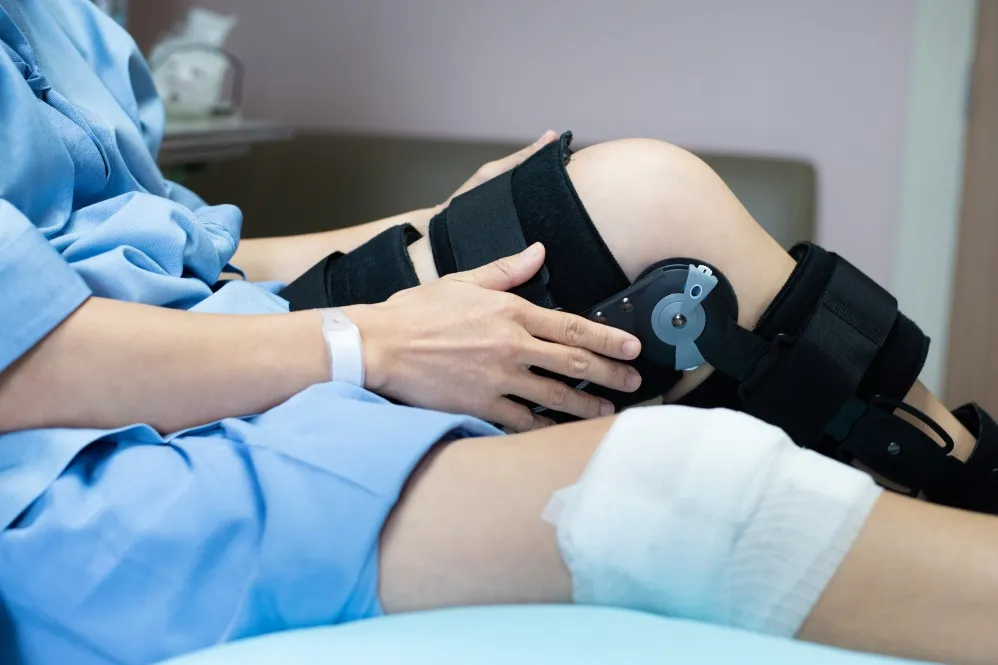
After surgery, rehabilitation typically focuses on safe mobility, progressive knee movement, muscle strengthening, and return to daily activities. Recovery timelines differ between patients.
Robotic technology can be a useful surgical tool, but choosing the best robotic knee replacement surgeon should involve evaluating much more than access to a machine. Clinical judgment, appropriate patient selection, familiarity with joint replacement, careful planning, complication management, and structured rehabilitation remain fundamental parts of knee replacement care.
Keywords