Knee Arthroscopy Surgery in Jaipur – Advanced Minimally Invasive Knee Treatment
Knee pain, swelling, stiffness, and difficulty walking can significantly affect your daily life. Whether caused by a sports injury, ligament tear, meniscus damage, or another knee joint problem, timely diagnosis and appropriate treatment are essential for restoring mobility and maintaining an active lifestyle.
Knee arthroscopy surgery in Jaipur is an advanced minimally invasive orthopedic procedure used to diagnose and treat various conditions affecting the knee joint. With modern arthroscopic techniques, patients may benefit from smaller incisions, reduced tissue damage, and a structured recovery process.
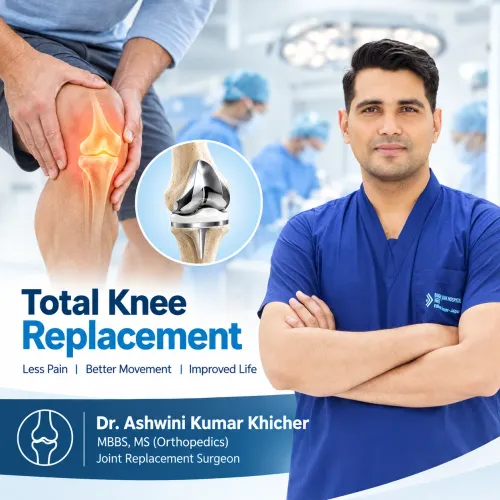
At ArthroAlign, Dr. Ashwini Kumar Khicher provides specialized orthopedic care for knee injuries, ligament problems, and joint conditions, focusing on personalized treatment and improved knee function.
What Is Knee Arthroscopy Surgery?
Knee arthroscopy is a minimally invasive surgical procedure that allows an orthopedic surgeon to examine and treat problems inside the knee joint.
The procedure involves inserting a small camera called an arthroscope through a tiny incision. The camera displays detailed images of the knee joint on a monitor, allowing the surgeon to identify damaged tissues and perform the required treatment using specialized surgical instruments.
Unlike traditional open knee surgery, arthroscopy generally requires smaller incisions and causes less disruption to surrounding tissues.
Depending on the condition being treated, knee arthroscopy may help restore joint stability, improve movement, and reduce symptoms associated with certain knee injuries.
When Is Knee Arthroscopy Recommended?
Knee arthroscopy may be recommended when knee pain, swelling, or instability persists despite appropriate non-surgical treatment.
Common conditions treated through knee arthroscopy include:
1. Meniscus Tears
The meniscus is a C-shaped cartilage structure that acts as a shock absorber between the thigh bone and shin bone. A tear may occur due to sudden twisting movements, sports injuries, or age-related degeneration.
Arthroscopic meniscus repair or partial meniscectomy may be considered depending on the type, location, and severity of the tear.
2. ACL and PCL Ligament Injuries
The anterior cruciate ligament (ACL) and posterior cruciate ligament (PCL) help maintain knee stability.
Injuries to these ligaments may cause:
- Knee instability while walking or running
- Swelling after an injury
- Difficulty changing direction
- Reduced confidence during physical activities
Arthroscopic ligament reconstruction may be recommended for selected patients with significant ligament injuries.
3. Cartilage Damage
Damage to the articular cartilage can cause pain, stiffness, and reduced joint mobility.
Depending on the extent of the damage, arthroscopic procedures may help address certain cartilage problems and improve joint function.
4. Loose Bodies in the Knee
Small fragments of bone or cartilage may become loose inside the knee joint.
These fragments can cause locking, clicking, pain, or restricted movement. Arthroscopy may be used to remove loose bodies when clinically indicated.
5. Knee Joint Inflammation
Certain inflammatory conditions affecting the joint lining, known as synovitis, may require arthroscopic evaluation or treatment when other options are insufficient.
Benefits of Minimally Invasive Knee Arthroscopy
Knee arthroscopy offers several potential advantages over traditional open surgical procedures.
Key benefits include:
- Smaller incisions: Arthroscopy uses small surgical openings, resulting in less visible scarring.
- Reduced tissue disruption: The minimally invasive approach limits damage to surrounding soft tissues.
- Improved visualization: A small camera provides a detailed view of the structures inside the knee.
- Potentially faster recovery: Many patients can begin rehabilitation sooner, depending on the procedure.
- Shorter hospital stay: Some arthroscopic procedures can be performed as day-care surgery.
- Targeted treatment: The surgeon can address specific joint problems using specialized instruments.
The benefits and expected outcomes depend on the patient's diagnosis, overall health, and the type of arthroscopic procedure performed.
How Is Knee Arthroscopy Surgery Performed?
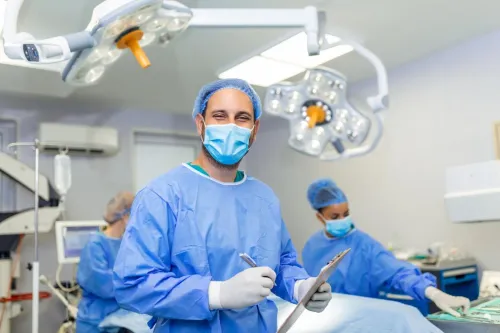
Knee arthroscopy is performed by an experienced orthopedic surgeon using specialized equipment.
Step 1: Preoperative Evaluation
Before surgery, the orthopedic specialist evaluates the patient's symptoms, medical history, and knee function.
Diagnostic tests may include:
- Physical examination
- X-rays
- MRI scans
- Routine preoperative investigations
These assessments help determine whether arthroscopy is appropriate.
Step 2: Anesthesia
The procedure is performed under suitable anesthesia, which may include spinal or general anesthesia depending on the patient's condition and surgical requirements.
Step 3: Arthroscopic Procedure
Small incisions are made around the knee joint. The arthroscope is inserted to provide a clear view of the internal structures.
Specialized instruments are then used to repair or remove damaged tissues, reconstruct ligaments, or address other identified problems.
Step 4: Postoperative Care
After surgery, the patient is monitored and receives instructions regarding pain management, wound care, mobility, and rehabilitation.
The need for a brace, crutches, or restricted weight-bearing depends on the procedure performed.
Recovery After Knee Arthroscopy Surgery
Recovery after knee arthroscopy varies according to the type of injury and surgical treatment.
Patients undergoing a simple arthroscopic procedure may resume certain daily activities relatively early. However, procedures such as ACL reconstruction or meniscus repair require a more structured rehabilitation program.
Important Recovery Guidelines
1. Control Swelling
Ice application, elevation, and prescribed medications may help manage postoperative swelling and discomfort.
2. Follow Physiotherapy Instructions
Physiotherapy plays an important role in restoring knee movement, muscle strength, flexibility, and stability.
3. Gradually Resume Activities
Patients should avoid strenuous activities until the surgeon confirms that the knee has recovered sufficiently.
4. Attend Follow-Up Appointments
Regular follow-ups help monitor healing and ensure that rehabilitation is progressing appropriately.
Recovery timelines vary considerably. The return to sports or heavy physical activity should be based on clinical assessment, strength, mobility, and functional recovery rather than a fixed number of weeks.
Is Knee Arthroscopy Suitable for Everyone?
Knee arthroscopy is not the ideal treatment for every knee condition.
It is commonly used for selected meniscus tears, ligament injuries, loose bodies, and other specific joint problems.
However, patients with advanced knee osteoarthritis may require different treatment options, such as medication, physiotherapy, injections, or knee replacement surgery.
An orthopedic specialist can determine the most appropriate treatment after evaluating the patient's symptoms, imaging findings, and overall joint health.
Why Choose ArthroAlign for Knee Arthroscopy in Jaipur?
Choosing the right orthopedic specialist is an important step toward effective knee treatment.
Dr. Ashwini Kumar Khicher is an orthopedic surgeon with qualifications including MBBS, MS (Orthopedics), FIJR, FIASM, and FIPAR. He has experience in arthroscopy, joint replacement, sports injury treatment, and orthopedic trauma care.
At ArthroAlign, patients receive an individualized approach to knee care, including:
- Comprehensive evaluation of knee injuries
- Advanced arthroscopic treatment options
- Specialized care for ligament and meniscus injuries
- Personalized postoperative rehabilitation guidance
- Follow-up care to monitor recovery
The goal is to help patients improve knee function, regain confidence in movement, and return to their daily activities as safely as possible.
Frequently Asked Questions About Knee Arthroscopy
Q1. Is knee arthroscopy a major surgery?
Knee arthroscopy is generally considered a minimally invasive procedure. Its complexity depends on the condition being treated. Simple procedures may be performed as day-care surgery, while ligament reconstruction or complex repairs may require additional recovery support.
Q2. How long does knee arthroscopy surgery take?
The duration varies depending on the procedure. A simple arthroscopic treatment may take around 30–60 minutes, while more complex procedures, such as ligament reconstruction, may take longer.
Q3. Is knee arthroscopy painful?
The procedure is performed under anesthesia. Some pain, swelling, and discomfort may occur after surgery, but these symptoms are generally managed with prescribed medications, ice application, and rehabilitation.
Q4. How long does recovery take after knee arthroscopy?
Recovery depends on the type of surgery. Some patients resume light daily activities within a few weeks, while ligament reconstruction and meniscus repair may require several months of rehabilitation.
Q5. Can knee arthroscopy treat a torn ACL?
Yes. Arthroscopic ACL reconstruction is a commonly performed procedure for selected patients with significant ACL injuries. It helps restore knee stability and supports a gradual return to physical activities.
Q6. Can knee arthroscopy cure knee arthritis?
Knee arthroscopy is not generally recommended as a routine treatment for osteoarthritis. Patients with advanced arthritis may benefit more from other treatment options, including knee replacement when appropriate.
Q7. Where can I get knee arthroscopy treatment in Jaipur?
Patients seeking knee arthroscopy surgery in Jaipur can consult Dr. Ashwini Kumar Khicher at ArthroAlign for evaluation, diagnosis, and personalized treatment recommendations.
Get Expert Knee Arthroscopy Treatment in Jaipur
Persistent knee pain, swelling, locking, or instability should not be ignored. Early evaluation can help identify the underlying cause and determine whether conservative treatment or arthroscopic surgery is appropriate.
At ArthroAlign, Dr. Ashwini Kumar Khicher offers specialized orthopedic care for knee injuries and joint conditions, with a focus on minimally invasive treatment options and individualized recovery planning.
If you are experiencing knee problems or have been advised to undergo arthroscopic surgery, schedule a consultation to understand your treatment options.
Consult Dr. Ashwini Kumar Khicher for Knee Arthroscopy Surgery in Jaipur.
Contact: 08048035189
Address: Dana Shivam Heart & Super Speciality Hospital, Sector 2, Opposite Times Square, Vijay Bari, Vidyadhar Nagar, Jaipur, Rajasthan 302039.
Keywords