Shoulder pain can make everyday activities surprisingly difficult. Tasks such as lifting groceries, reaching overhead, getting dressed, or even sleeping comfortably may become challenging when the shoulder joint is injured. While many shoulder conditions improve with medication and physiotherapy, persistent pain sometimes requires advanced orthopedic treatment.
One of the most effective modern procedures for diagnosing and treating shoulder problems is Shoulder Arthroscopy, a minimally invasive surgical technique that allows surgeons to treat joint disorders with greater precision and smaller incisions.
What Is Shoulder Arthroscopy?
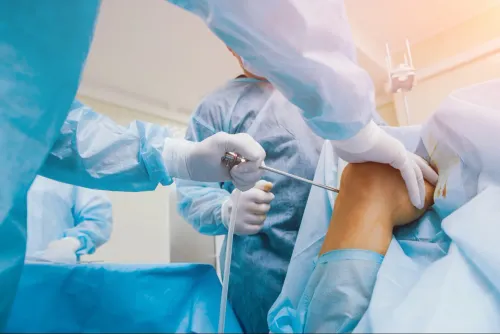
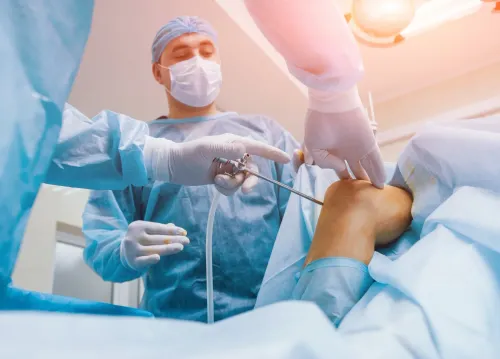
Shoulder arthroscopy is a procedure in which a tiny camera called an arthroscope is inserted into the shoulder joint through small incisions. The camera provides a clear view of the internal structures, allowing the surgeon to identify and treat damaged tissues without making a large incision.
This technique has transformed orthopedic care by reducing surgical trauma while improving treatment accuracy.
Conditions That May Require Shoulder Arthroscopy
Not every shoulder problem requires surgery. However, arthroscopy may be recommended when conservative treatments fail to relieve symptoms.
Common conditions include:
- Rotator cuff tears
- Shoulder instability
- Labral injuries
- Frozen shoulder
- Recurrent shoulder dislocation
- Shoulder impingement syndrome
- Cartilage damage
- Inflamed joint lining
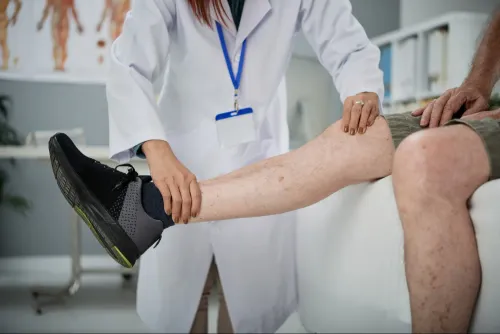
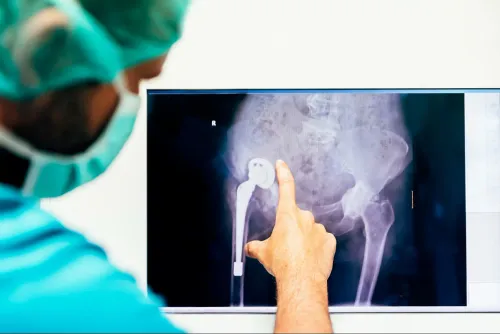
A thorough clinical examination and imaging studies help determine whether arthroscopic treatment is appropriate.
Symptoms That Should Prompt Medical Evaluation
Persistent shoulder pain should not be ignored, especially when it affects daily activities.
Seek orthopedic assessment if you experience:
- Pain lasting several weeks
- Difficulty lifting the arm
- Weakness during movement
- Clicking or popping sensations
- Shoulder instability
- Night pain that interrupts sleep
- Reduced range of motion
Early diagnosis often prevents further joint damage and improves treatment outcomes.
Advantages of Arthroscopic Surgery
Compared with traditional open surgery, shoulder arthroscopy offers several important benefits.
These include:
- Smaller incisions
- Less muscle damage
- Reduced postoperative pain
- Lower risk of infection
- Faster recovery
- Better cosmetic healing
- Earlier rehabilitation
Although recovery time varies depending on the condition being treated, many patients appreciate the reduced disruption to daily life.
What Happens During the Procedure?
The surgery is performed under appropriate anesthesia.
After inserting the arthroscope, the surgeon carefully examines the shoulder joint, including:
- Rotator cuff tendons
- Labrum
- Cartilage
- Ligaments
- Joint capsule
- Biceps tendon
Specialized instruments are then used to repair or remove damaged tissue as required.
The exact procedure depends entirely on the underlying condition.
Recovery and Rehabilitation
Successful treatment does not end with surgery.
Recovery usually includes:
- Temporary use of a shoulder sling
- Gradual range-of-motion exercises
- Supervised physiotherapy
- Progressive strengthening exercises
- Activity modifications during healing
Following the rehabilitation plan carefully is essential for restoring normal shoulder function.
Who Can Benefit Most?
Shoulder arthroscopy may benefit:
- Athletes
- Office professionals
- Manual workers
- Older adults with tendon injuries
- Individuals with recurrent shoulder instability
- Patients whose symptoms persist despite non-surgical treatment
Each patient's treatment plan is tailored according to their lifestyle, occupation, and functional goals.
Can Shoulder Problems Be Prevented?
Although not every injury is preventable, healthy habits reduce the risk of shoulder disorders.
Helpful preventive measures include:
- Strengthening shoulder muscles
- Warming up before sports
- Using proper lifting techniques
- Maintaining good posture
- Addressing minor injuries promptly
- Avoiding repetitive strain whenever possible
These practices support better joint health and reduce unnecessary stress on the shoulder.
Accessing Specialized Orthopedic Care in Jaipur
Residents of Jaipur increasingly have access to advanced orthopedic techniques that focus on preserving joint function while minimizing recovery time.
Patients seeking expert evaluation for persistent shoulder pain often consult specialists such as Dr. Ashwini Kumar Khicher, who has experience in arthroscopic procedures, sports injury management, and comprehensive orthopedic care. The educational resources available through arthroalign.com also help patients better understand shoulder conditions and available treatment options before deciding on the next steps.
Timely diagnosis, appropriate treatment, and structured rehabilitation can significantly improve shoulder function, allowing patients to return confidently to work, sports, and everyday activities.
Keywords