The posterior cruciate ligament (PCL) is one of the strongest ligaments in the knee, playing a vital role in maintaining stability during walking, running, and changing direction. Although PCL injuries are less common than ACL injuries, they can significantly affect knee function if left untreated. In certain cases, PCL Reconstruction Surgery becomes the most effective way to restore knee stability and prevent long-term joint damage.
Knowing when surgery is recommended and what recovery involves can help patients make informed treatment decisions.
What Is the PCL and Why Is It Important?
The PCL connects the thigh bone (femur) to the shin bone (tibia) and prevents the tibia from moving too far backward. It works together with other ligaments, cartilage, and muscles to keep the knee stable during movement.
When this ligament is torn, the knee may become unstable, especially during activities that involve bending, climbing stairs, or sudden directional changes.
Common Causes of PCL Injuries
PCL injuries are often caused by high-impact trauma or forceful blows to the knee.
Common causes include:
- Road traffic accidents
- Sports injuries
- Falls
- Direct impact on a bent knee
- Contact sports such as football or rugby
- Motorcycle accidents
Some patients may also sustain injuries to multiple ligaments during severe trauma.
Symptoms That Should Not Be Ignored
A PCL tear may not always cause immediate severe pain, making it easier to overlook.
Common symptoms include:
- Knee pain
- Swelling
- A feeling of instability
- Difficulty walking downhill
- Pain while climbing stairs
- Reduced knee strength
- Limited range of motion
- Recurrent episodes of the knee giving way
Persistent symptoms should always be assessed by an orthopedic specialist.
How Is a PCL Injury Diagnosed?
Accurate diagnosis requires a combination of clinical examination and imaging.
An orthopedic surgeon may recommend:
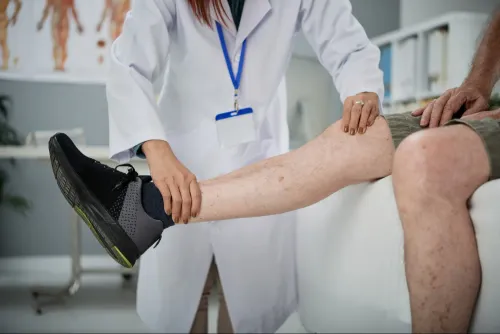
- Physical stability tests
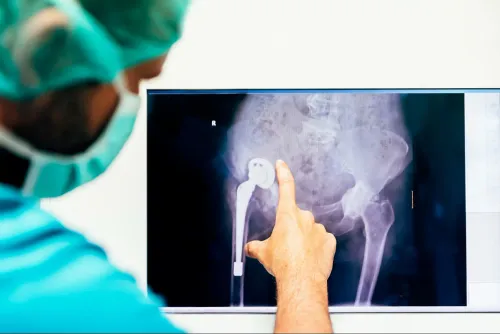
- Digital X-rays
- MRI scans
- Additional imaging if associated injuries are suspected
The assessment helps determine whether the ligament is partially torn, completely ruptured, or accompanied by cartilage or meniscal damage.
When Is PCL Reconstruction Surgery Necessary?
Not every PCL injury requires surgery.
Many mild or isolated injuries respond well to:
- Physiotherapy
- Muscle strengthening
- Activity modification
- Knee bracing
However, surgery may be considered when patients experience:
- Complete ligament rupture
- Persistent knee instability
- Multiple ligament injuries
- High athletic demands
- Failure of conservative treatment
- Significant functional limitations
Each recommendation is individualized based on the patient's lifestyle and clinical findings.
What Happens During Reconstruction?
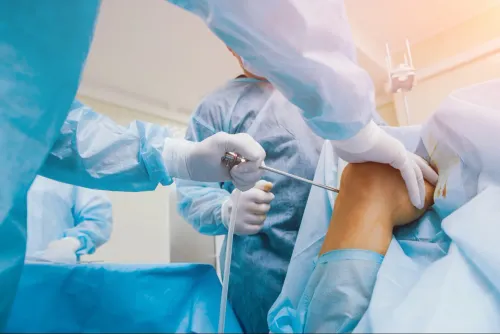
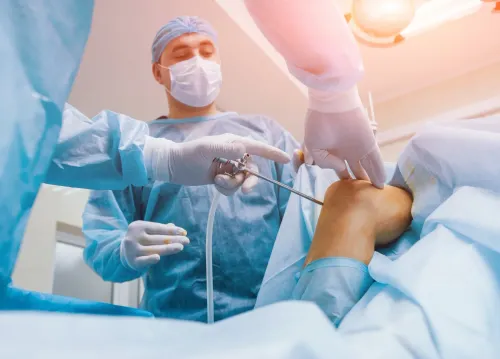
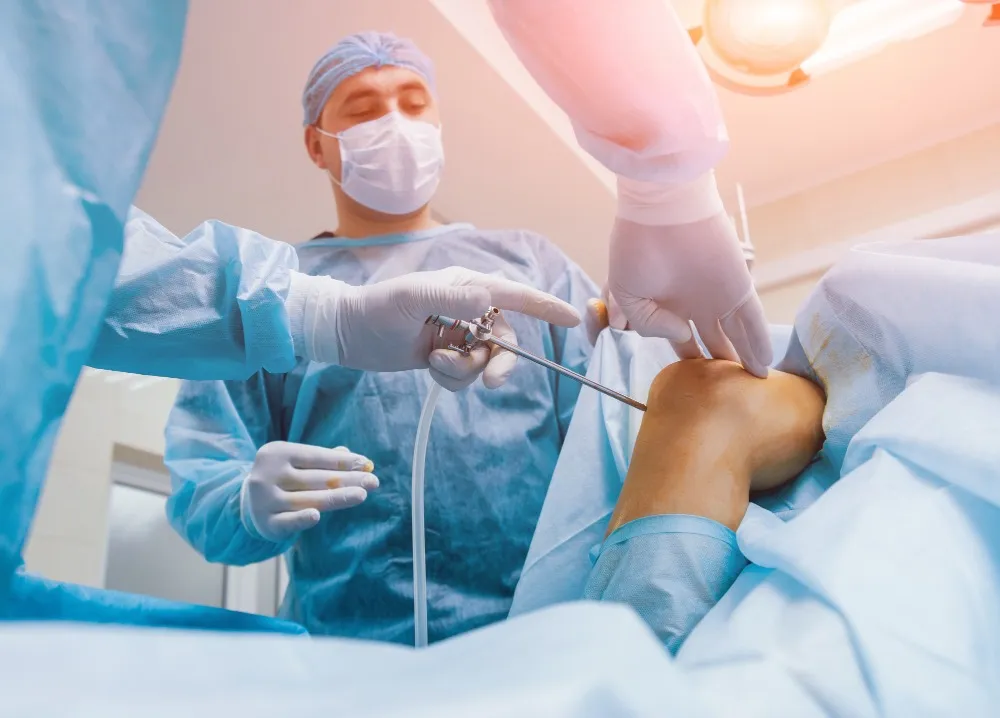
PCL reconstruction is usually performed using arthroscopic techniques.
During the procedure, the damaged ligament is replaced with a graft that restores knee stability.
Modern arthroscopic surgery offers several advantages:
- Smaller incisions
- Better visualization of the joint
- Reduced soft tissue injury
- Faster early recovery
- Lower postoperative discomfort
The exact surgical approach depends on the patient's injury pattern.
Rehabilitation Is Key to Success
Successful reconstruction depends heavily on rehabilitation.
Recovery generally includes:
- Controlled weight bearing
- Physiotherapy
- Range-of-motion exercises
- Progressive muscle strengthening
- Balance training
- Functional sports rehabilitation where appropriate
Patients who follow rehabilitation protocols consistently often achieve better long-term outcomes.
Risks of Delaying Treatment
Ignoring significant PCL injuries may lead to:
- Chronic instability
- Cartilage damage
- Meniscal injuries
- Early arthritis
- Reduced athletic performance
- Persistent knee pain
Early evaluation allows specialists to determine the most appropriate treatment before secondary damage develops.
Specialized Knee Ligament Care in Jaipur
With increasing awareness of sports medicine and advanced orthopedic care, patients across Jaipur now have access to specialized treatment for complex ligament injuries.
Patients requiring evaluation for PCL injuries often consult experienced orthopedic specialists such as Dr. Ashwini Kumar Khicher, whose practice includes arthroscopic ligament reconstruction, sports injury management, and comprehensive rehabilitation planning. Educational resources available through arthroalign.com also help patients understand ligament injuries, surgical options, and recovery expectations.
Receiving timely treatment and completing a structured rehabilitation program can significantly improve knee stability, mobility, and long-term joint health.
Keywords