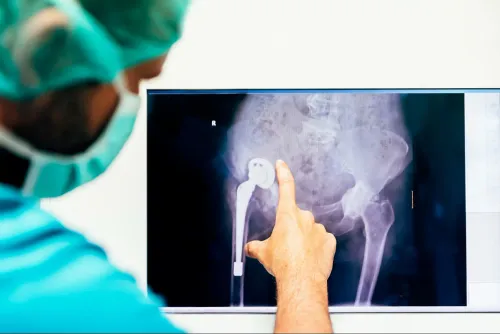
When joint pain becomes constant, daily life starts revolving around discomfort. Sitting, standing, walking, even sleeping can feel challenging. Dr. Ashwini Kumar Khicher in Jaipur, evaluates patients with advanced joint degeneration to determine whether joint replacement surgery can restore mobility and reduce chronic pain.
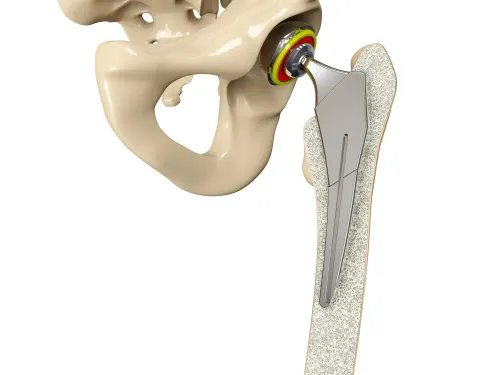
Joint replacement procedures are commonly performed for knees, hips, and shoulders affected by osteoarthritis, rheumatoid arthritis, post traumatic arthritis, or avascular necrosis. Persistent swelling, stiffness, deformity, and reduced range of motion are signs that conservative treatments may no longer provide relief. Modern joint replacement surgery uses durable implants designed to replicate natural joint mechanics. Precision in implant positioning, soft tissue balancing, and infection control protocols are essential components of successful outcomes.
Rehabilitation is equally important. Guided physiotherapy strengthens surrounding muscles, improves flexibility, and supports gradual return to daily activities. Many patients regain independence and improved quality of life when surgery is timed appropriately and recovery is well supervised.
If chronic joint pain is limiting your mobility and independence, a consultation can help determine whether joint replacement is the right step forward.
Keywords